
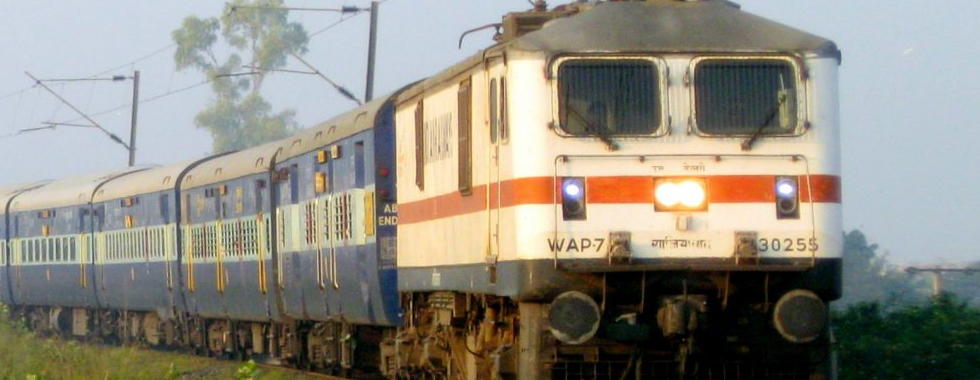
Nagpur-Hyderabad train travel to take 3 hours
A rail journey between Maharashtra’s winter capital Nagpur and the city of pearls, Hyderabad, may take a mere three hours, down from the nine that most trains take now, if a plan is put into action, a senior official said. The railways has drawn a blueprint for a semi-high speed corridor linking the two commercial hubs, he added.
“The ministry has initiated a joint feasibility and implementation study with Russian Railways to chalk out details after which it will be sent to the Railway Board for approval,” the senior ministry official said.
The Railways planned to cash in on the fact that at present there were no direct flights between the two cities. A flight with a stopover could take four hours or more. Currently, the 584-km stretch is covered by the Railways at an average speed of 60km/hr in a minimum of nine hours. The railways is planning to run the trains at a speed of 160-200km/hr by strengthening the existing tracks and fencing off the route to complete the journey in less than three hours.
Semi-high speed trains can gather a maximum speed of 200 km/hr, while faster ones in the category of high-speed or bullet trains can run at 250-350 km/hr. The Delhi-Chandigarh corridor, one of the busiest routes in north India, is slated to be the first semi-high speed project being taken up by the Railways with French help. It will enable trains to run at a maximum speed of 200km/hr.



You might also like

Emirates SkyCargo launches new Hong Kong-Delhi freighter service
Emirates SkyCargo, the world’s largest international air cargo carrier, is strengthening its footprint in the Far East and Indian subcontinent with the launch of a new weekly freighter service from
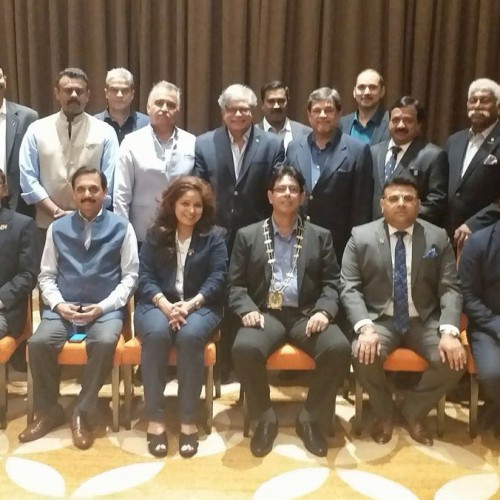
Skal International India welcomes new Board
As the term of the current SKAL International India’s National Committee Board meeting came to an end with a new SKAL National Committee Board for the term 2018-2020 elected at

Taiwan rolls out two new reward campaigns aimed at international visitors and transit passengers
By offering business-class tickets, luxury stays, gift card prizes, and NT$600 airport vouchers, Taiwan’s latest initiatives highlight its signature hospitality and encourage travellers to return, stay longer, and explore more.