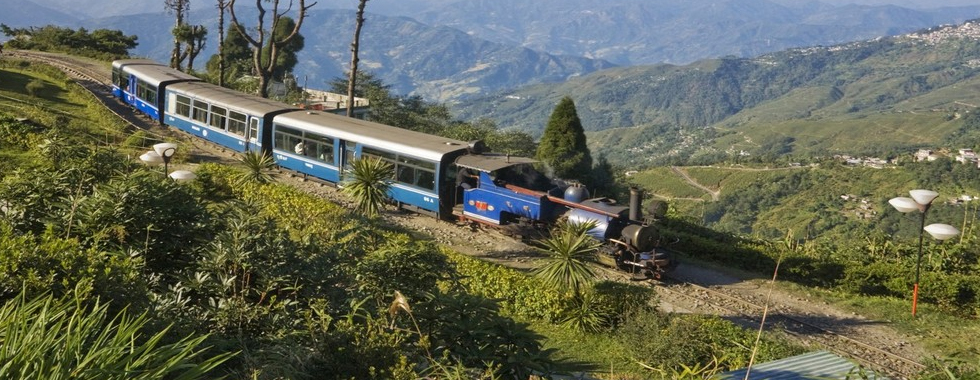
Darjeeling toy train loses Rs 2.5 crore due to agitation
The Darjeeling Himalayan Railway (DHR) has incurred an estimated loss of Rs 2.5 crore due to the ongoing Gorkhaland agitation in West Bengal, an official said lately.
“If the situation would have been normal, that is the amount we would have earned in this time by running our trains. Services have been suspended since June 12,” Northeast Frontier Railway (NFR) Chief Public Relations Officer Pranav Jyoti Sharma told IANS.
Till June 12 this year, the DHR registered earnings of Rs 3.05 crore. The heritage train operates under NFR. The UNESCO granted world heritage status to the DHR on December 2, 1999.
Following the agitation, the Sonada and Gayabari stations of DHR were damaged besides the DHR headquarter Elysia building at Kurseong. The Gayabari station was gutted in a fire.
“We used to run nine trains daily from Darjeeling to Ghoom. There used to be a train from Siliguri to Darjeeling and one from Darjeeling to Siliguri. All the trains have stopped. We have to sit back till the situation normalises,” Sharma said.
All advance bookings from July 12 for DHR toy trains were cancelled and money refunded. The annual expenditure of the DHR is estimated at Rs 15 crore. The hill passenger railway started operations in 1881.
Local parties have been protesting in the West Bengal hills demanding a separate state of Gorkhaland.



You might also like
Foreign Exchange Earnings through Tourism in India in November 2017
Ministry of Tourism estimates monthly Foreign Exchange Earnings (FEEs) through tourism in India, both in rupee and dollar terms. Based on the credit data of Travel Head from Balance of
Clarks Inn: March of the century
Total tally reaches 75 hotels in 2016 as the company now eyes the magical figure of 100 hotel portfolio this year. Few hotel companies have been able to leverage the
Ethiopian started flights to New York-Newark
Ethiopian Airlines, the fastest growing airline in Africa, is pleased to announce that it has commenced scheduled thrice weekly flights to New York-Newark from Addis Ababa on 03 July 2016,