Viviana Mall becomes first mall in India to conduct “FOSTAC” training
Viviana Mall becomes first mall in India to conduct “FOSTAC” training for Food Business Operator according to FSSAI guideline
Food safety supervisor certification will be mandatory in Food business – says FDA
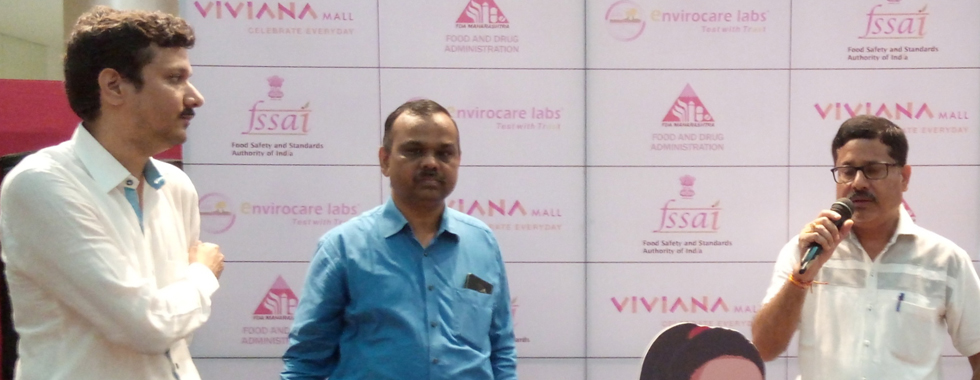
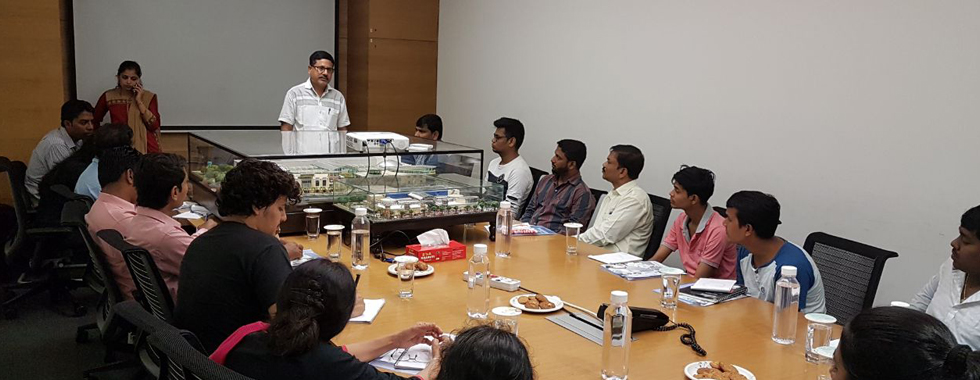
Viviana Mall, leading destination mall in the Mumbai Metropolitan Region is the first mall to organize Food Safety Training & Certification (FOSTAC) has laid down by FSSAI (Food Safety and Standards Authority of India). Suresh Deshmukh, Joint Commissioner (FOOD) Konkan Division, FDA, Thane was present during the inauguration along with Krishna Dabhade, Assistant Commissioner, (Food), FDA, Thane who was one of the trainer training the participants from restaurants and food outlets (29 participants in all).
Krishna Dabhade, Assistant Commissioner, (Food), FDA Thane who himself conducted training for Food Business Operators (FBO’s) of the mall said, “The training will help food handlers to gain advanced expertise and adhere to the required guidelines in order to provide clean, hygienic, safe food to the customers. We have launched our mascot Master Sehat and Sehat as approved by FSSAI of healthy individuals. Through the mascot we aim to reach more than 20 lakh plus food operators and customers in a span of a year.”
In order to align with the future guidelines or policies by FSSAI’s, Viviana Mall organized this training for the food establishments present inside the mall. FOSTAC program developed by FSSAI will help in maintaining hygiene and food safety implementation at food establishments. The FSSAI is looking to introduce a mandatory requirement of having at least one trained and certified Food Safety Supervisor in each Food Service Establishment very soon in near future. Food safety supervisor will be responsible in preparing, processing and serving safe and hygiene food that is being served at that particular food business operator.
Speaking at the event, Suresh Deshmukh, Joint Commissioner (FOOD), Konkan division FDA, Thane said, “FDA’s main objective is to provide clean, safe and hygienic food and we are glad that Viviana Mall, which witnesses 25, 000 to 30, 000 footfalls every day has become a part of the initiative. To spread awareness about clean and hygienic safe food, we are taking certain steps and we are thankful to Viviana Mall to provide us a platform to kick start our initiative as landmark for rest of the malls in Maharashtra State. Proper certification from FDA would be made mandatory for obtaining license for a food business in the next five – six months.”
Viviana Mall invited all the restaurants and food outlets present inside the mall to be a part of the FOSTAC training program. Sunil Shroff, CEO, Viviana Mall said, “The mall strives to provide better quality and hygienic food to its patrons and employees in the mall. We aim to proactively make our food establishments FSSAI compliant even before the certification becomes mandatory. Even if one supervisor in a food chain is FSSAI certified, the skills can be passed to other employees too. This shall help food businesses to gain more trust from customers and deepen the brand connect.”
The FOSTAC training program will slowly and steadily reach across all food operating businesses in order to make all operators FSSAI compliance. After assessment participants will be certified as FSS (Food Safety Supervisor) which is valid for 2 years.



You might also like

Cox & Kings sells Explore Worldwide Limited to Hotelplan UK Group
The Cox & Kings Group (“Cox & Kings” or “the Group”) has – through its Holidaybreak plc subsidiary – sold 100% of the issued and outstanding shares of Explore Worldwide
Delhi to witness a Grand Korean Grandeur in November
The 2 day Korea festival celebrating art, culture and heritage to be organised in the city. A two day Korea festival showcasing Korea’s rich art, culture and heritage will take
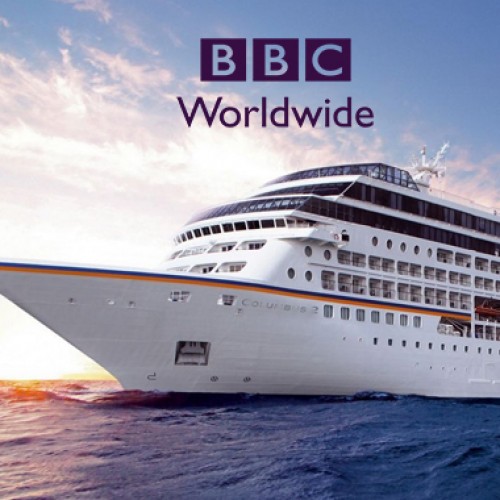
BBC Worldwide launches its first bespoke channel for cruise ships
BBC Worldwide has announced the launch of a global entertainment channel, BBC HD, the company’s first channel produced exclusively for cruise ships and the wider maritime market. It will go