
A magnificent archaeological discovery in Jordan
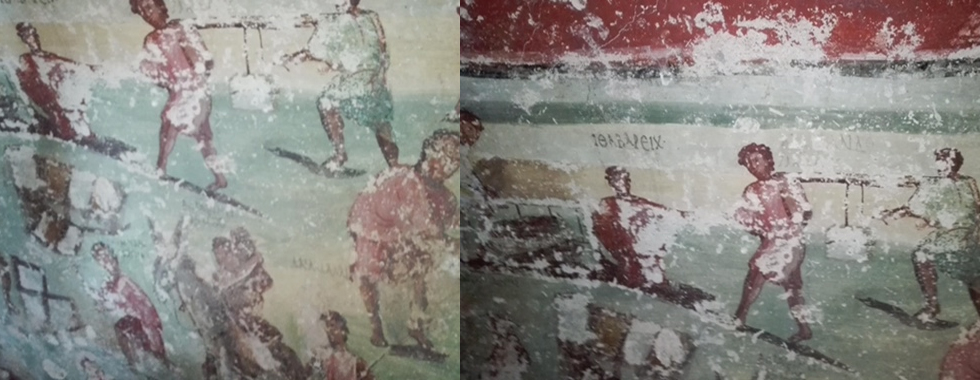
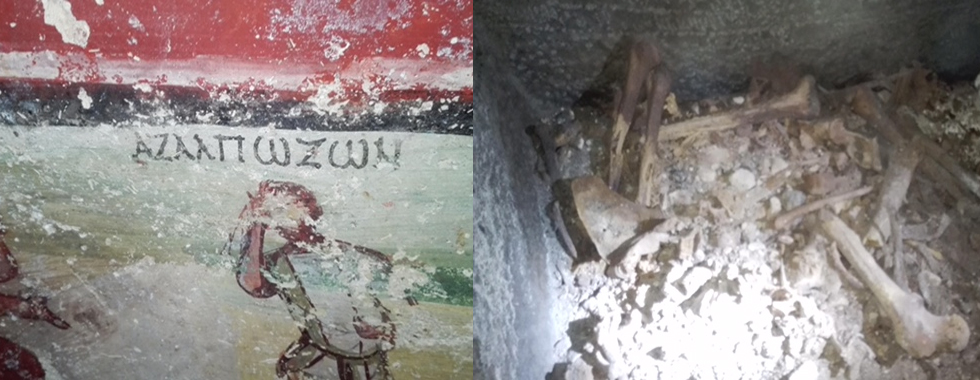
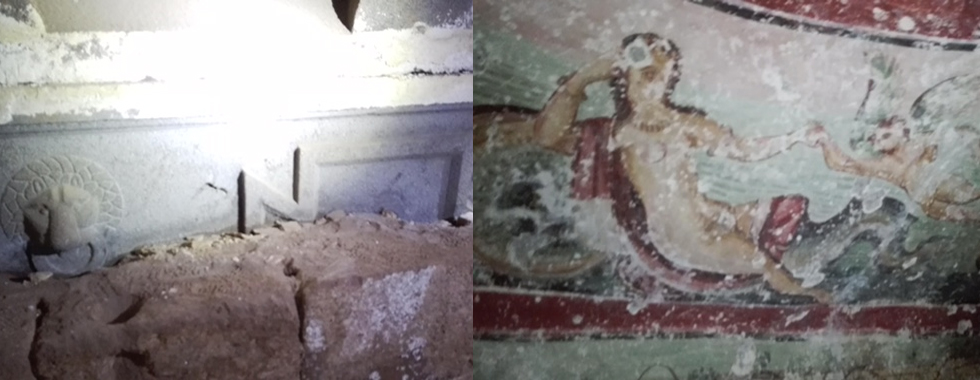
An ancient tomb has been discovered in Jordan in the northern town of Beit Ras during an excavation project to expand a local waste-water sanitation network. The tomb includes a cave with two burial chambers. The larger chamber contains a basalt stone rock-cut tomb decorated with raised etchings of two lion heads and with several human bones enclosed. This tomb is made unique by the fascinating oil frescoes decorating the walls of the chamber. The frescoes portray human figures, horses and other mythological scenes, some of which have partly eroded but remain intact for the most part giving us great insight into the burial rites of the past. The second chamber contains two more rock-cut tombs without any artifacts.
These breathtaking frescoes include paintings of grape vines which represent the social and agricultural life prevalent during Classical antiquity thought to most likely belong in the Hellenistic period/ Early Roman period. The inscriptions and some artifacts found in the tomb are being analyzed to give a more accurate time-frame of when this tomb was built and who it was built for.
Her Excellency Minister of Tourism and Antiquities Lina Annab, following a visit to the site, confirmed that the Department of Antiquities will continue to excavate, expand and prepare the site for future visitors. Her Excellency also confirmed that due to the tomb’s archeological value, the site has been closed off to visitors and on-lookers to protect the archeological integrity of the tomb as more tests are being run to ascertain more information about its significance.
On his end Dr. Munther Jamhawi, Director General for the Department of Antiquities pointed to the fact that the city of Beit Ras is one of the ancient Hellenistic/Roman Decapolis League cities, and was known during that time as Capitolias. This city was also mentioned in Arabic poetry as a unique location that included a theater dated back to the second century and the remains of a Byzantine Church whose architectural styles were later used during the Islamic era and specifically during the early Umayyad period.



You might also like

Changi Airport crowns 39-year-old Indonesian as its newest millionaire!
It was a million dollar dream come true for Jakarta-based Ade Iskandar Roni as he beat seven other finalists to emerge as the Grand Draw winner of the 2016 ‘Be

Explore the iconic Al Hoota Caves in Oman
Estimated to be over 2 million years old, the Al Hoota Cave is one of Oman’s most popular natural tourist attractions. Located off route 21 between Nizwa and Bahla at

Govt is not selling 51% in Air India says Civil Aviation Secy
The Civil Aviation Secretary has denied talks about a possible stake sale by the government in Air India. Bloomberg had earlier reported quoting unnamed sources that the government was planning