

Air Canada launches direct Dreamliner flights to Delhi
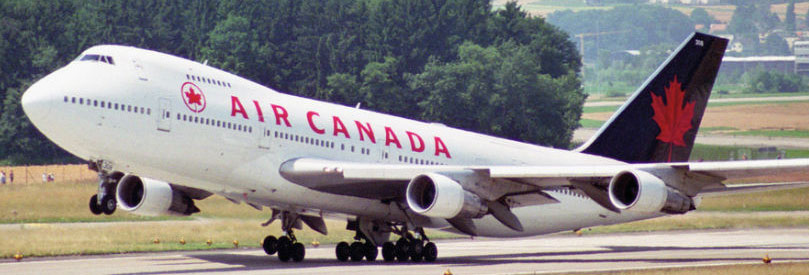
Air Canada’s Boeing 787 Dreamliner aircraft touched down in Delhi for the first time on Monday, marking the start of a new scheduled service direct from Toronto. The new route becomes the first non-stop connection between India and Canada, and marks the latest stage in Air Canada’s recent international expansion, which has been made possible by the arrival of its new fleet of fuel-efficient Dreamliners.
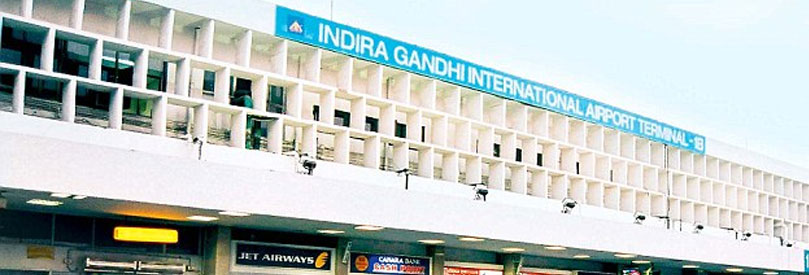
Flights will now operate four times a week, departing Toronto’s Pearson International Airport every Monday, Wednesday, Friday and Sunday at 2035 and arriving in Delhi at 2055 the following day. The return services then leave the Indian capital’s Indira Gandhi International Airport every Tuesday, Wednesday, Friday and Sunday at 0045, and arrive back in Toronto at 0500.
“We are very happy to see the positive response from the market ever since we announced the flights,” said Arun Pandeya, Air Canada’s country manager for India. “We are very keen to encourage more and more travellers to experience the new Dreamliner.”
The new route will be operated using the larger version of Air Canada’s Dreamliner fleet, the B787-9, which can seat 298 passengers in three classes, including 30 flat-bed seats in the airline’s new international business class, 21 seats in premium economy and 247 seats in economy.
The in-flight service will also cater to Indian passengers, with a range of Indian meals and Hindi- and Punjabi-speaking flight attendants.



You might also like

Gan Airport begins boosting tourism in southern Maldives
The opening of international flights to Gan airport, adjacent to Addu township in the south of the Maldives, has opened a new era for the region – providing an alternative

Taiwan Tourism Administration Invites Indian Businesses to Taiwan for Site Inspection to Expand the MICE Market
First Group Focuses on Yilan, Followed by Taichung and Kaohsiung Inspections in the Second Half of the Year To actively cultivate the international tourist market, the Ministry of Transportation and
Munich Airport’s CEO voted “2017 Travel Industry Manager”
Dr. Michael Kerkloh has been the CEO and president of Munich Airport since 2002. During that time the airport has developed into a leading global transportation hub with multiple awards