
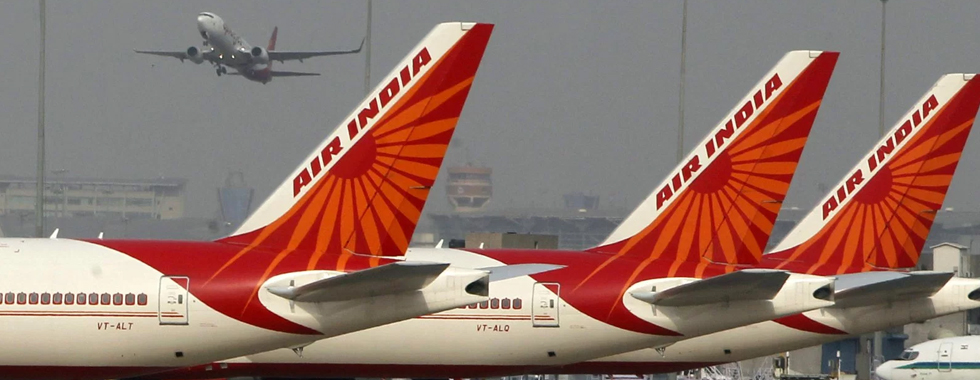
Airlines liable to pay passengers for denying boarding: DGCA to HC
Aviation regulator DGCA has told the Delhi High Court that it does not permit the practice of overbooking of flights and the airlines are liable to compensate the passengers who are denied boarding despite having confirmed tickets. Air India also conceded before the court that not permitting a passenger holding confirmed tickets to board a flight would amount to deficiency of service and the consumer has the right to seek compensation for it.
After noting the unequivocal stand of the Directorate General of Civil Aviation (DGCA) and Air India, Justice Vibhu Bakhru said it was not necessary to examine the question whether the aviation regulator had the jurisdiction to issue the Civil Aviation Regulations (CAR) in this regard.
DGCA and Air India’s response came on a petition filed by a person, questioning a 2010 CAR issued by DGCA, that recognises the concept of overbooking by airlines. The petitioner claimed that that the CAR allows overbooking of flights which cannot be permitted.
The court said a plain reading of the CAR provision relating to denied boarding indicates that the DGCA has recognised that certain airlines follow the practice of overbooking. However, it cannot be read to mean that the aviation regulator permits the airlines to do so, it said.
“It certainly cannot mean that such practice has the sanction of law,” it said. The petitioner’s counsel argued that DGCA has no power to issue directions restricting the compensation payable to passengers, who were denied boarding.
However, the counsel for DGCA contended that the petitioner has misread the CAR to mean that the DGCA has countenanced such practice and said it had issued the rules to ensure that the passengers, who are denied boarding, are paid immediate compensation and necessary arrangements for their travel are made by the concerned airline. He said this did not mean that DGCA had permitted the airlines to adopt such practices.
The DGCA counsel said the rules cannot be read so as to cap the liability of various airlines and the amount of compensation mentioned in the CAR indicated only the immediate relief that the airlines were required to provide to the passengers who had been denied boarding. He said this did not bind the passengers in any manner and they are not precluded from taking any action to recover further compensation as available in law.
The Air India’s counsel supported the DGCA’s stand that said the passenger’s right to claim compensation was not restricted by the CAR and the petitioner had not made any claim from Air India for not being permitted to travel from Delhi to Patna on December 12, 2015. The man had claimed that he was scheduled to travel from Delhi to Patna on December 12, 2005 and was due to return on the next day. He booked tickets with Air India in advance on October 28, 2015.
He claimed that when he reached the airport on time on December 12, 2005, he was denied boarding by the airlines on account of overbooking of flights, despite having confirmed tickets and could not reach Patna as scheduled. The court disposed of the petition after the passenger did not seek to press any further relief.



You might also like
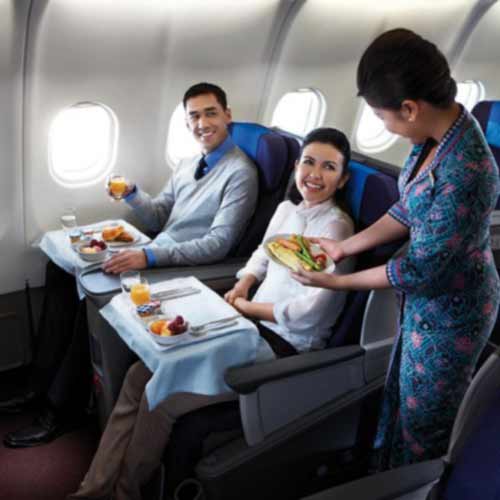
Flight review Malaysia Airlines
The Route: Delhi- Kuala Lumpur Class:Business Due to the two unfortunate disasters last year, one might think that superstitious Indian travelers have become vary of flying Malaysia Airlines. I shared
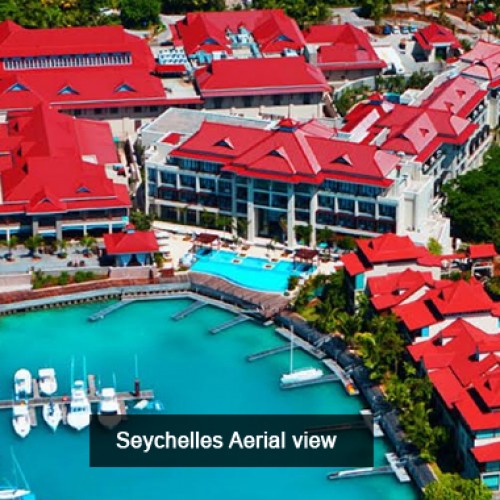
Series of strategic expansion and growth development of SriLankan Airlines
SriLankan fly nonstop four days a week from Seychelles to Colombo. It also becomes first international airline to fly to Gan Island! SriLankan Airlines had earlier announced the commencement of the

SpiceJet Secures Second Credit Rating Upgrade in a Month; Acuité Raises Long-Term Rating to BB (Stable)
SpiceJet has achieved a second credit rating upgrade in a month, signalling the company’s improved credit profile, strengthened liquidity position, and sustained focus on financial discipline. Acuité Ratings & Research