
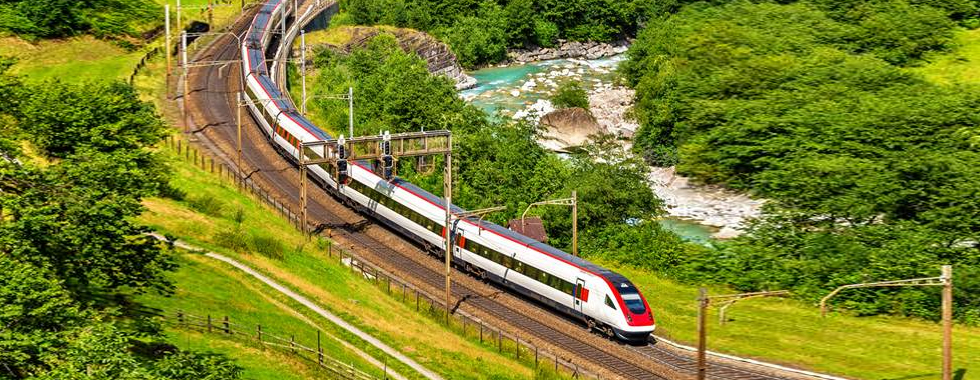
India, Switzerland sign two MoUs in rail sector
The Indian Railways on Thursday signed two Memoranda of Understanding (MoUs) with Switzerland for technical cooperation and to establish George Fernandes Institute of Tunnel Technology (GFITT) in Goa. The MoUs were signed in the presence of Prime Minister Narendra Modi and Swiss Confederation President Doris Leuthard, who is on a three-day state visit.
The MOU aims at cooperation in the areas of traction rolling stock, EMU and train sets, traction propulsion equipments, freight and passenger cars, tilting trains, railway electrification equipments, train scheduling and operation improvement, railway station modernisation, multimodal transport and tunnelling technology.
The second MoU was signed between Konkan Railway Corporation Limited (KRCL) and Swiss Federal Institute of Technology (ETH) Zurich. It will help Konkan Railway in establishing the GFITT in Goa, especially for assimilation and dissemination of knowledge in the field of tunnelling.
According to Railways, the GFITT aims not only to train Konkan Railways’ own manpower for its tunnelling projects but also wishes to generate qualified and trained personnel for the benefit of other government organisations, private sector and even foreign organisations to bridge the huge gap in levels of knowledge and qualified manpower required to meet the key segment of infrastructure development in India.
News Source: IANS



You might also like
Chhattisgarh stresses on eco-ethno tourism
Chhattisgarh Tourism Board is determined to make the best use of its plethora of new eco-tourist destinations in the state. If jungle jaunts and wildlife adventure is something you enjoy,
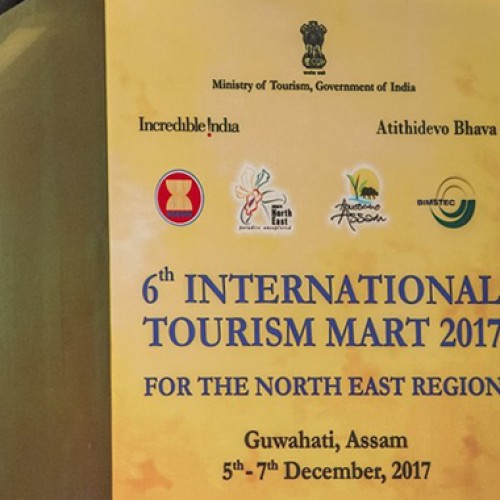
6th International Tourism Mart to begin in Guwahati
6th International Tourism Mart” (ITM) will begin in Guwahati, Assam. The Ministry of Tourism, Government of India, in association with the North Eastern States is organizing this Mart from 5-7
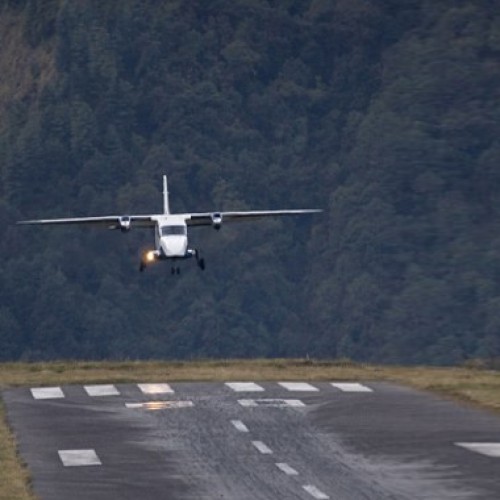
Models pose on airstrip during take off, DGCA orders inquiry says Report
While the information of location has not been divulged yet, DGCA sources said an inquiry has been initiated against the private plane and the group of models for flouting security