India’s first Bulletin train project: a giant leap towards modernizing Indian railway
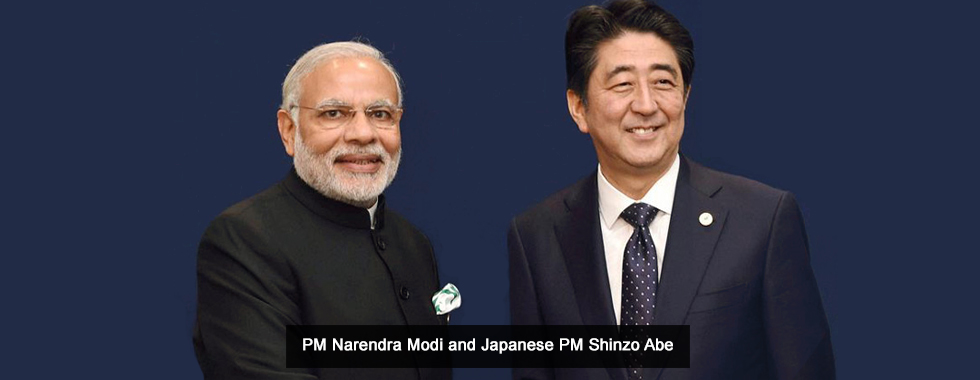
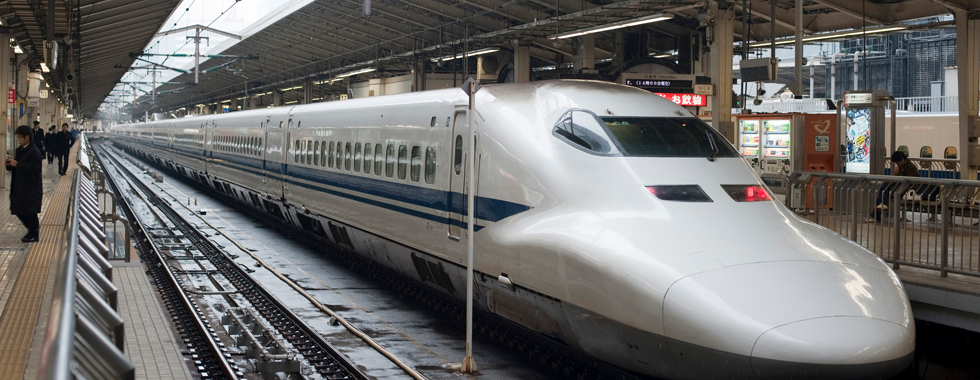
In a big leap towards modernizing its railway transport system, India, after decades of dilly-dallying, launched the work of its first bullet train project. PM Narendra Modi and visiting Japanese PM Shinzo Abe jointly laid the foundation stone for this dream High Speed rail project in Ahmedabad today. The train will operate between Ahmedabad and Mumbai at a speed of 320-350 kmph, and will take 2-3 hours to cover the distance between Mumbai-Ahmedabad.
A centerpiece of cooperation between India and Japan, the project is estimated to cost approximately Rs 1, 10,000 crore; its 81 % cost will be funded by Japan through soft loan to be repaid in 50 years. The project is expected to be completed by 2023; however, PM Modi is pushing for its operational launch by 15 August, 2022 when India will compete 75 years of its Independence.
A successful and timely completion of India’s first Bulletin train project will enormously improve India’s Railway transport sector and display the country’s prowess to undertake high-tech projects and complete it successfully. One of the fastest economies in the world, India has made rapid stride in many sectors such IT, Telecom, Space, Road Transport, Civil Aviation and Hospitality, but India’s rail transport remains outdated and a slow moving transport mode. A country which aims to become one of the economic superpowers in the world does not have a single High Speed railway line as of now. Even small countries like Thailand and Taiwan have High-Speed trains. This project, once completed, will fill the void.
The successful implementation of this project will also pave the way for other high speed projects in the country and will have a positive cascading effect on India’s existing rail network in terms of modernization through adoption of new technology and methods, and improving its safety standards. One of the biggest challenges before Indian railway is to improve its safety standards in the wake of some gruesome rail accidents that took place recently, killing many passengers and forcing Rail Minister to resign.
Besides improving connectivity, the project will also improve India’s image as a tourist destination. In countries like Japan and China, High Speed trains are also considered as tourist attractions, attracting a lot of tourists who want to experience and enjoy travelling in such trains.
The previous UPA government had also considered to launch bullet train project, proposing the same route (Ahmedabad to Mumbai), but it could not announce it. Japan was the first country in the world to launch the first bullet train at speed of 240 km per hour, in 1964, then an extraordinary feat. In India, Delhi-Agra Shatabdi Express is currently the fastest running train, running at a speed of 130 KMPH.
Mumbai-Ahmedabad HSR project: 5 key facts
- The first high speed project will be completed in 2023.
- The train will take 2-3 hours to run between Mumbai-Ahmedabad.
- The train will have 12 stations including Mumbai and Ahmedabad.
- The project will cost approximately Rs. 1, 10,000 crore.
- It will run at an operating speed of 320 kmph and a maximum speed of 350 kmph.



You might also like
Awards Galore for Nusa Dua Beach Hotel & Spa at The 7th Asian Lifestyle Tourism Awards 2017
Nusa Dua Beach Hotel & Spa has been recognized as the “Outstanding Beach Resort Destination in Asia”, “Best Spa Resort Destination in Indonesia” and “Best Wedding Destination in Indonesia” at
Ottawa welcomes world to 150th anniversary
Canada marks its 150th birthday in 2017, with holidaymakers invited to join in a countrywide, year-long celebration. The main focus for national events will be the capital city Ottawa, where
Hagia Sophia’s Iconic Dome Goes Under Restoration to Withstand the Centuries
Istanbul’s Hagia Sophia Grand Mosque, one of the most exquisite structures of humanity’s heritage with its 1.486-year history, has been lately the focus of an extensive restoration project preserving its