
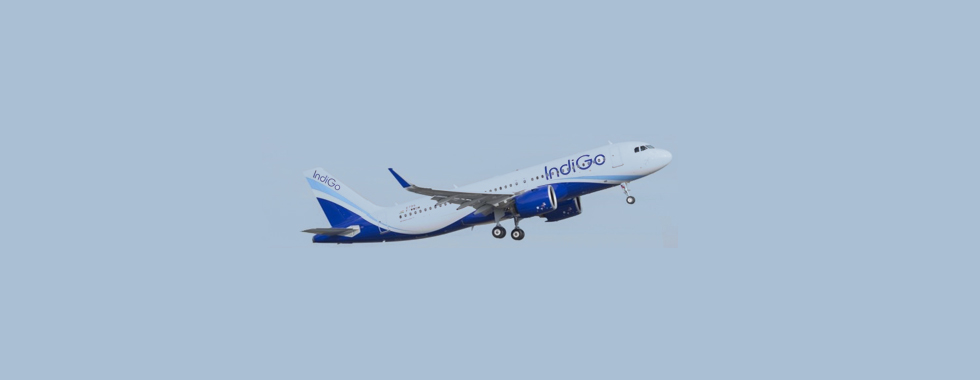
IndiGo cancels 84 flights, grounds planes over engine issue
Aviation regulator Directorate General of Civil Aviation (DGCA) had expressed concern over grounding of A320 Neo aircraft of IndiGo and GoAir due to engine-related issues.
The Pratt & Whitney (P&W) engine issue has forced commercial airline IndiGo to cancel a whopping 84 flights and ground 13 A320 Neo planes.
Last week, aviation regulator Directorate General of Civil Aviation (DGCA) had expressed concern over grounding of A320 Neo aircraft of IndiGo and GoAir due to engine-related issues.
The development came after a meeting was held between the DGCA officials and executives from engine manufacturer P&W, Airbus, IndiGo, and GoAir. According to the official, P&W informed that the modification done on “No 3 bearing” from April 2017 onwards had addressed the problem to some extent.
It also said that the new set of improved combustion chambers would be available around October this year. The DGCA official added that P&W would expedite the supply of engines by increasing the “shop-level delivery of engines undergoing modification”.
News Source: indiatoday.intoday.in



You might also like
InterGlobe promoters to sell shares worth Rs. 1,245 crore
Two promoter entities of InterGlobe Aviation plans to offload shares worth at least Rs 1,245 crore through the offer for sale route tomorrow, according to regulatory filings. The sale would

The Biggest Motorsport Event of the Year is almost here! – Formula 1 Gulf Air Bahrain Grand Prix 2023
Formula 1 is one of the world’s most prestigious motor racing competitions, as well as the most popular annual sporting series. Bahrain’s premier sporting event and entertainment extravaganza is anticipated
AI, biometrics and blockchain to dominate discussion at ITB Asia 2018
ITB Asia will focus on the interdependence of travel and technology this year, under the overarching conference theme of “Travel Reimagined”. Key leaders in travel and tech will provide profound