
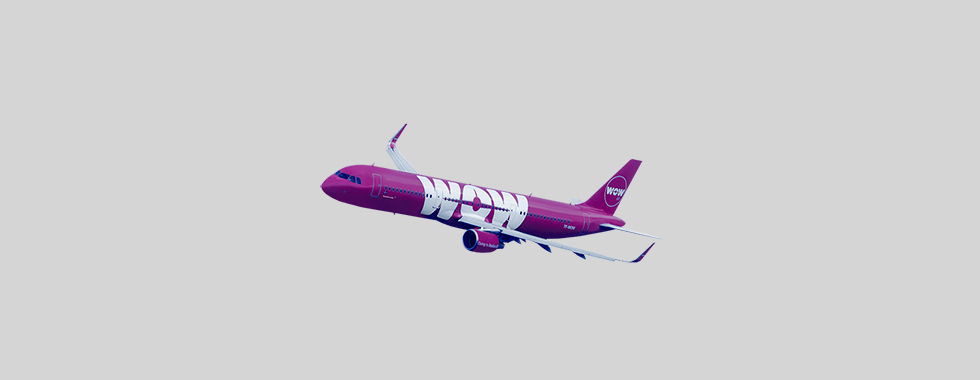
The new aircraft is the Icelandic airline’s thirteenth in a rapidly expanding, all-Airbus fleet and will be deployed on Wow Air’s routes to Europe and North America from tomorrow.
In a departure from the airline’s tradition of naming its aircraft after family members, the newest member of the fleet will be christened TF-NEO in a nod to it being the first of its kind in the fleet.
Wow Air selected the A320neo for its low operating costs, excellent fuel efficiency and innovative technological offerings including next generation CFM engines and Sharklet wing tip devices.
In combination, these offer operating airlines fuel savings of more than 15 per cent with projections of over 20 per cent by 2020 as further cabin innovations are rolled out.
“We’re proud to offer a young and technologically advanced fleet that allows us to provide our passengers with a comfortable journey at best possible prices,” said Skúli Mogensen, Wow Air founder.
“It is a welcome addition to our family of aircraft that now operate on 29 international routes across Europe and North America.”
Wow air will operate the A320neo with a single class cabin with 180 seats.
News Source : breakingtravelnews