
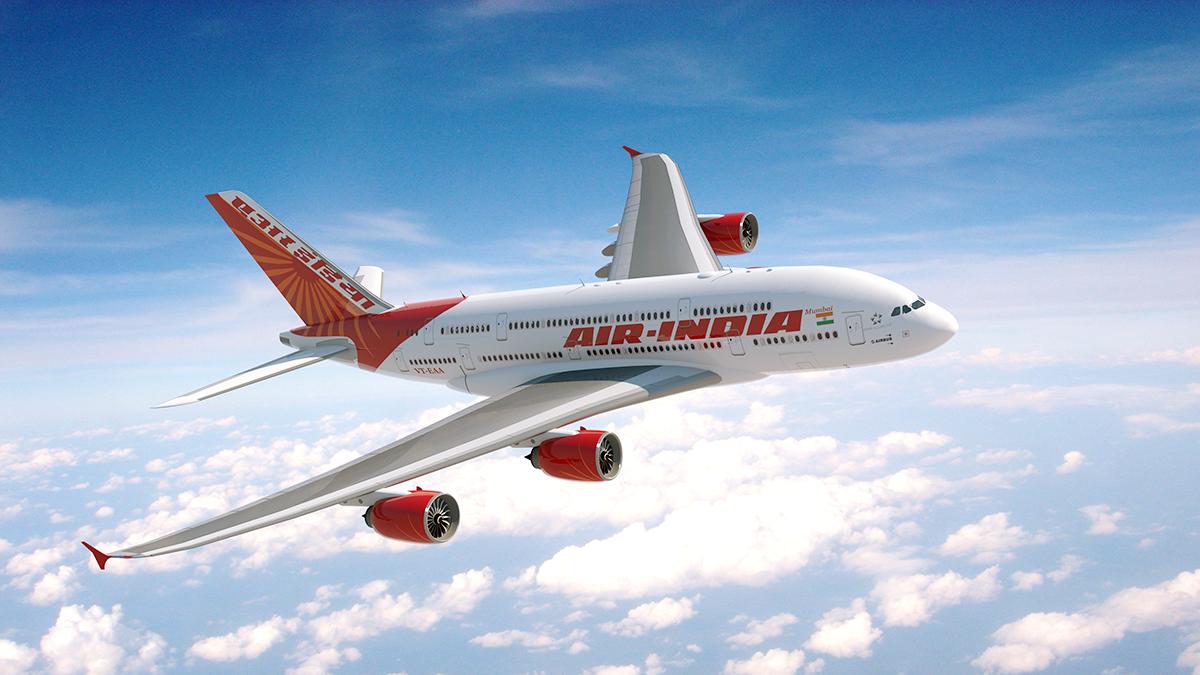
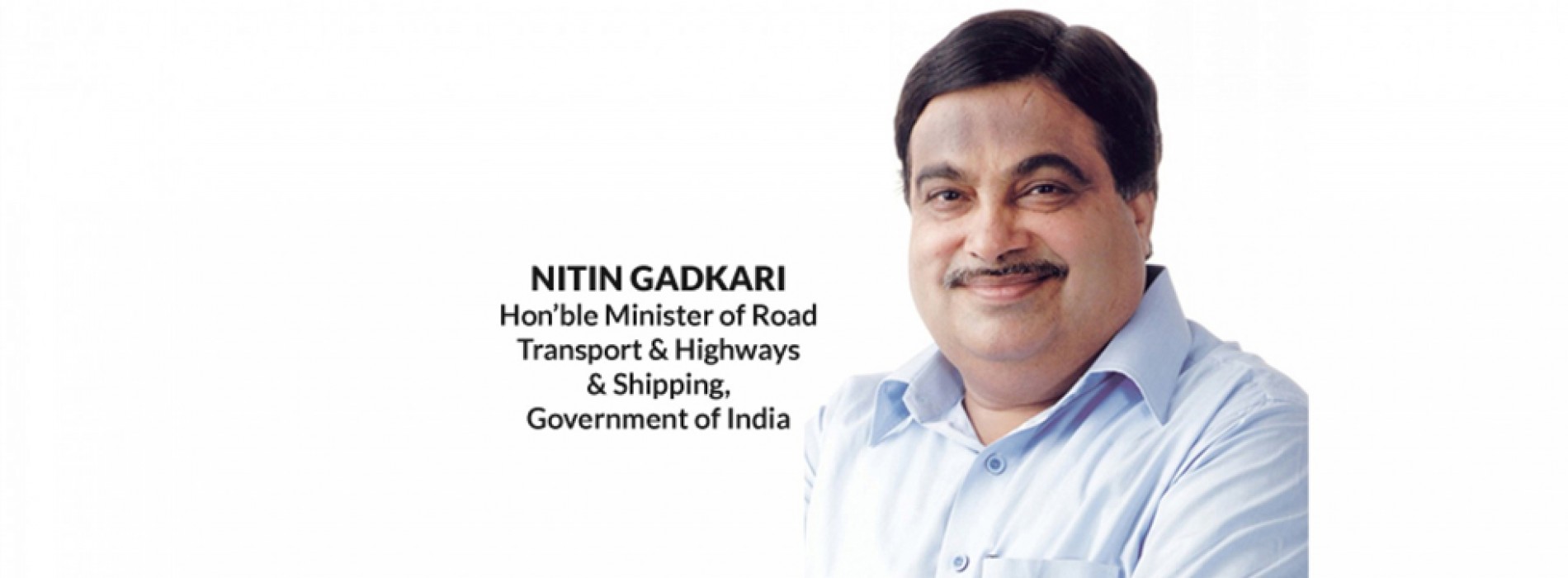
Air India’s iconic Mumbai building to be sold to Jawaharlal Nehru Port Trust: Nitin Gadkari
“I told them you decide the price, I will ask JNPT to buy it. The building should remain with the government. Both the secretaries will sit together and decide the value and we will pay for it,” Gadkari said.
There are at least 10,800 square feet of space on each floor of the building. The proposal to sell the building to JNPT comes after the government’s efforts of strategic disinvestment of Air India, which is in financial crisis, failed to take off. Its debt burden is estimated to be over Rs 50,000 crore. The JNPT, located at Navi Mumbai and formerly known as the Nhava Sheva Port, handles around 55 per cent of the country’s container cargo and has an annual profit worth Rs 1,300 crore. It handled 66 million tonnes of container cargo in 2017-18.



You might also like
SpiceJet announces direct flights from Guwahati to Patna, Hyderabad
Private airline SpiceJetNSE 0.00 % Thursday announced launch of direct flights from Guwahati to Patna, Hyderabad and Pakyong in Sikkim. The announcement of the new flights by Spicejet was made
World Takes Calculated Risks, Initiates Gradual Reopening
Even as the Coronavirus continues to affect people across the world, many affected countries have taken steps to reopen their economies and borders, although partially. Italy, the first European Country

Avis teams up with Luxury Retreats to offer a new standard in travel
Avis Car Rental announced a deal with Luxury Retreats, acquired by Airbnb in February 2017, to be the official mobility partner of the full service villa rental company, which offers custom-designed