
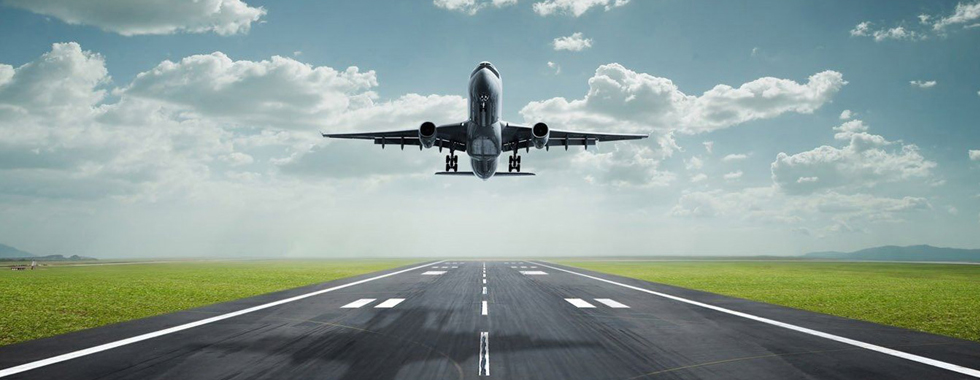
Domestic air traffic to grow to 130 million in FY18 says CAPA
However, industry-wide losses to widen because of cost pressure and fall in yield.
Domestic traffic has been rising at 20 per cent plus for the past three years and, in 2016, carriers flew close to 100 million passengers. The growth trend will continue and airlines will add over 60-65 planes. Most of these additions will be by low cost airlines. CAPA expects industry-wide losses in the country to grow from $250-300 million to $ 380-450 million in FY17 and FY18, respectively. Losses are likely to increase in Air India, AirAsia India and Vistara. Further, airlines will face yield pressures and find it difficult to cut costs. Other domestic airlines will continue to make profit.
Kapil Kaul, South Asia CEO of CAPA, said that the share of low-cost airlines in India will rise from the existing 65 per cent to 80 per cent. “IndiGo is expected to induct two aircraft every month till March 2018 and the fleet size is expected to reach 160. IndiGo’s market share will reach 55-60 per cent in two years and this will increase the strategic compulsion for other airlines to expand fleets in order to remain relevant in the market,” Kaul said.
News Source: www.business-standard.com



You might also like
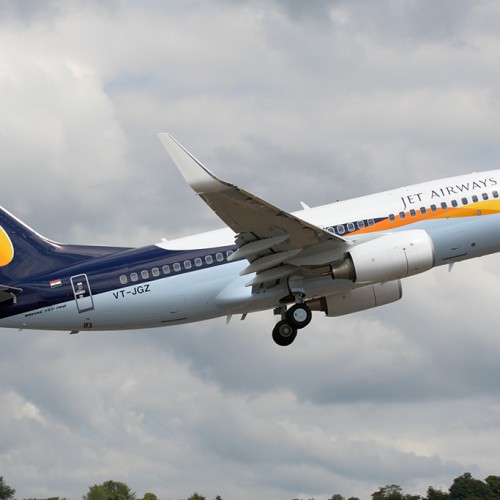
JetPrivilege enters into a frequent flyer programme partnership with Air Serbia
JetPrivilege, the award-winning frequent flyer programme of Jet Airways has entered into a frequent flyer programme partnership with Air Serbia, the flag carrier of the Republic of Serbia, effective June

Angola Visa
Explore Angola Visa Information On this page, you will get detailed information about Angola Visa and formalities. Visa Information for the Republic of Angola (Angola) Visa Note & Fees

New Discovery in Petra
The Ministry of Tourism and Antiquities proudly confirm the archaeological discovery of an enormous monument in Petra that has no known parallels to any other structure in the Nabatean city.