Air India renews insurance for $14 m with 20% discount over last year
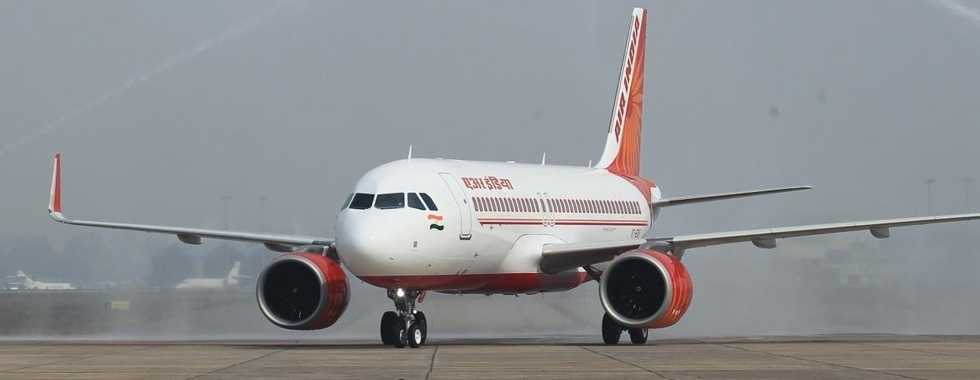
National carrier Air India has renewed its insurance cover for 2017-18 for USD 14 million, which is a 20 per cent discount over the last year 2016-17.
The new policy cover came into force from October 1 and covers 142 aircraft of the flag carrier which includes 109 planes of Air India, 23 of its low cost subsidiary Air India Express and 10 small planes of its regional arm Alliance Air. The sum assured, which covers passengers and hull liability, stands at USD 10.4 billion.
Last year, the national carrier had shelled out a total premium at USD 18.38 million, which was 30 per cent lower than the previous year’s premium. The largest non-life insurer New India is the lead insurer along with the other three state-owned general insurers, while the global aviation insurance leader AIG acted as the lead re-insurer along with 30-40 re-insurers across the world.
“Air India’s professional and timely action was a great contributor, and support of New India Assurance and their understanding was a winning strategy,” Prabodh Thakker, chairman, Global Insurance Brokers, which acted as an intermediary in renewing the AI cover, told .
“A good planning, timely action and low claims which is called good loss-record of the airline till the placement saved Air India,” he added.



You might also like

TripAdvisor Travellers’ Choice Awards reveal India’s most Amazing Amusement & Water Parks For 2016
Wonderla Amusement Park, Bangalore tops the list of Top 10 Amusement & Water Parks in India Three Amusement parks from Mumbai feature on the Top 10 India list – #3
Pune is best value city for short breaks in India
8 Indian cities included in TripAdvisor’s global TripIndex of 27 key cities around the world! Pune ranks as most budget-friendly city in India for a three-day break, followed by Jaipur
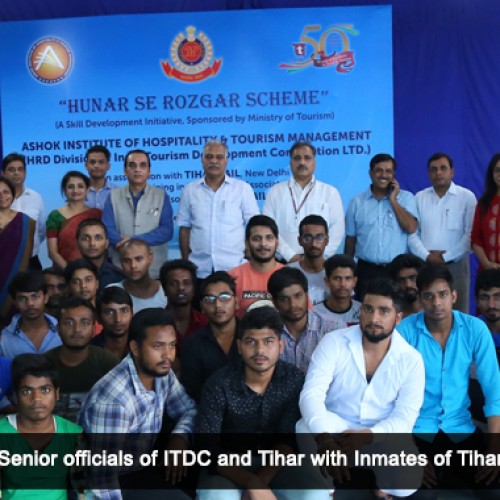
ITDC steps up for Tihar Jail inmates to train them under “Hunar se Rozgar Scheme”
30 inmates to be trained under 1st batch on “Front Office Associate” Course AIH&TM to award participants with certification on successful completion of the training India Tourism Development Corporation Ltd.