
Doubling of Rajpura-Bhatinda line approved by CCEA
Cabinet Committee on Economic Affairs (CCEA) recently approved doubling of Rajpura-Bhatinda railway line at an estimated cost of Rs 1,251.25 crore.
Aiming at decongesting the strategically important route connecting the western border, the Cabinet Committee on Economic Affairs approved doubling of Rajpura-Bhatinda railway line at an estimated cost of Rs. 1,251.25 crore.The completion cost of the 172.64 km long railway line is expected to be Rs. 1,465.59 cr in five years.
The present utilisation of this section is nearly 100 per cent. Enhancement of capacity of power plants and planned freight terminals will generate additional freight traffic on this route.
The CCEA chaired by Prime Minister Narendra Modi cleared the doubling project which is expected to ease the traffic bottlenecks and will bring more revenue to Indian Railways by capacity enhancement of the route, according to a release.The districts of Patiala, Sangrur, Barnala and Bathinda are expected to be benefitted through the project.
The Rajpura-Bathinda section falls in Ambala Division of Northern Railway. At present traffic utilisation of the section is nearing saturation.
This line is strategically important as several military specials are routed on this line connecting the Western border. The main objective for doubling between Rajpura-Bathinda is to remove capacity constraint and to cater for future growth of traffic on the important route of Railways.



You might also like

China blocks Tibetans’ visit to India: Sources
The Chinese government has imposed travel restrictions on Tibetans in Tibet in a bid to block their travel to India to attend the Kalachakra teachings. The Chinese government has imposed

DGCA to regulate air traffic controllers
With global aviation watchdog ICAO giving low score to India after safety oversight audit, the government has decided to entrust the regulation of air traffic controllers with the DGCA. With
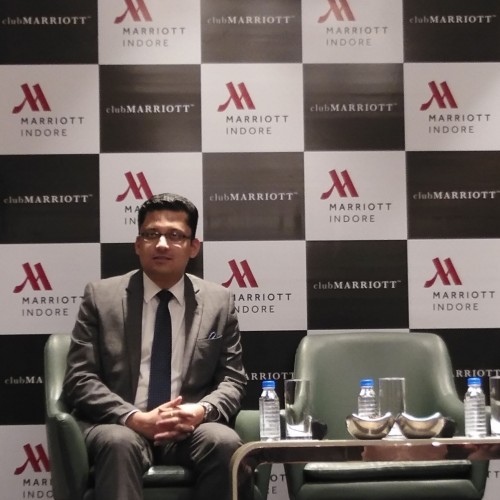
Indore Marriott Hotel launches new Club Marriott program
Indore Marriott hotel is driven to continually challenge the status quo and anticipate their customers’ changing needs with providing new services and new guest experiences. In striving to fulfill this,