
Experience Oman’s rich wildlife and nature
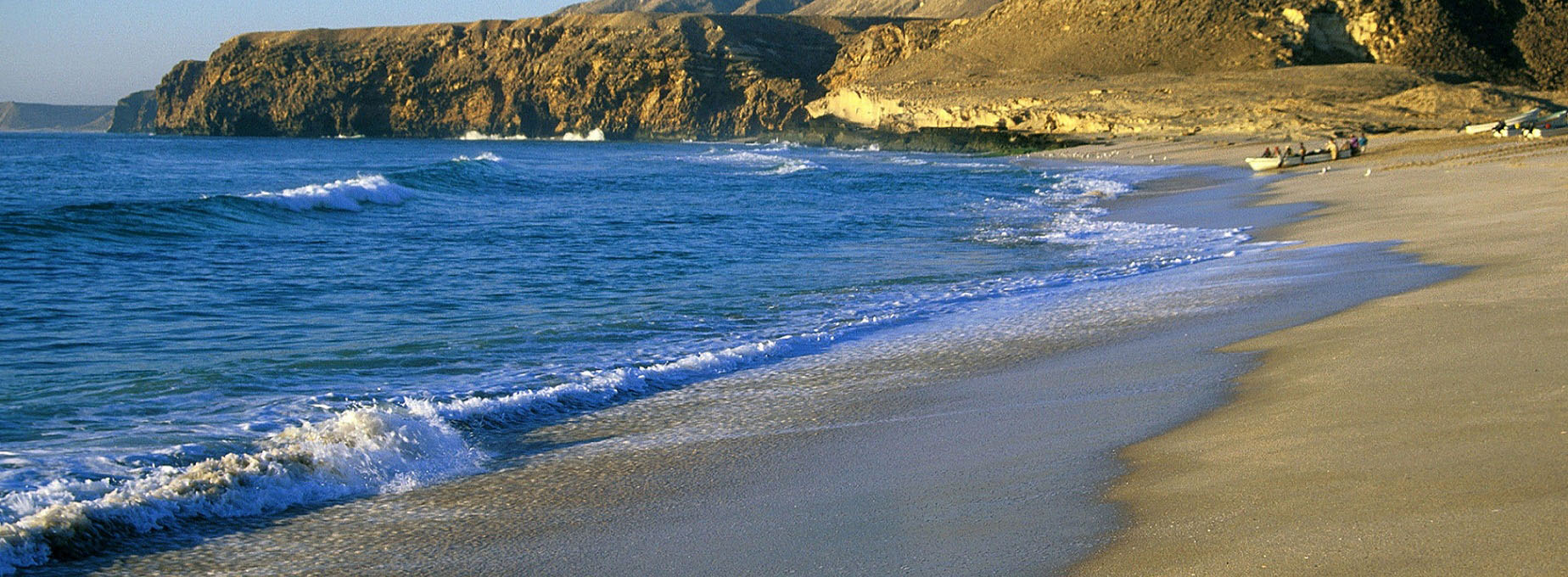
Oman’s natural reserves and wildlife sanctuaries protect important coastal and desert habitats totaling almost 30,000kms. The sheer diversity of Oman’s landscapes will astonish and inspire you.
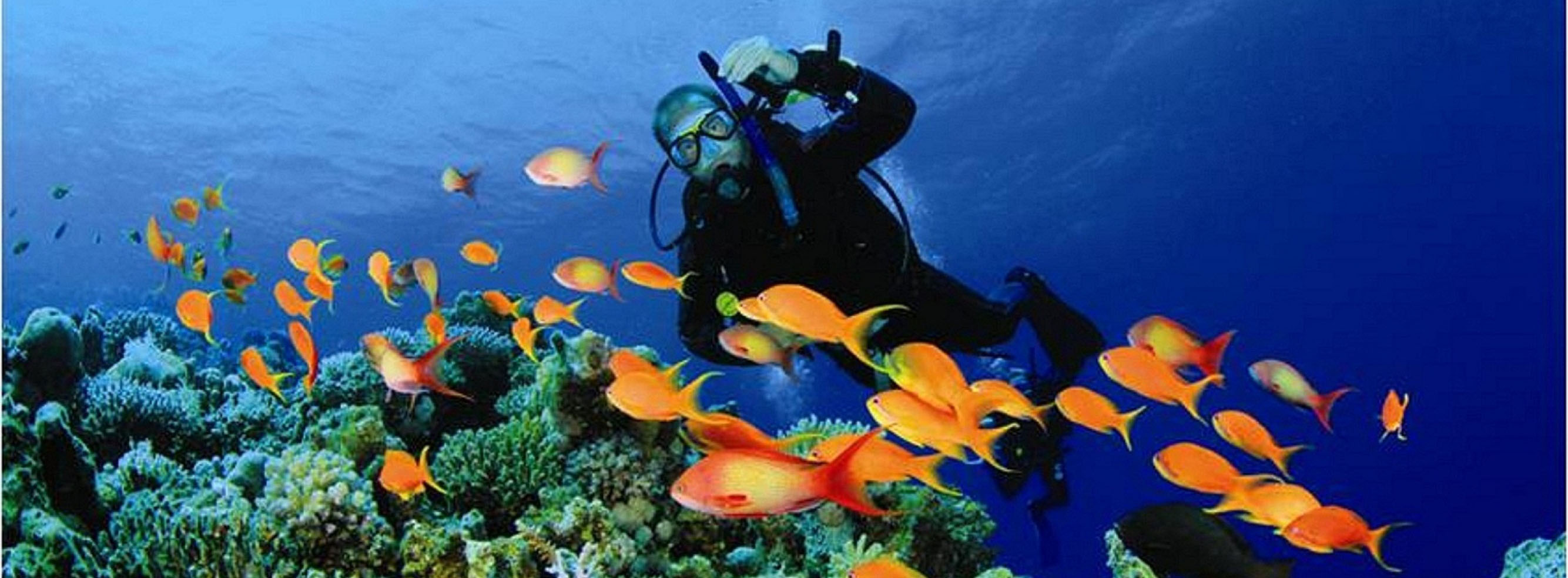
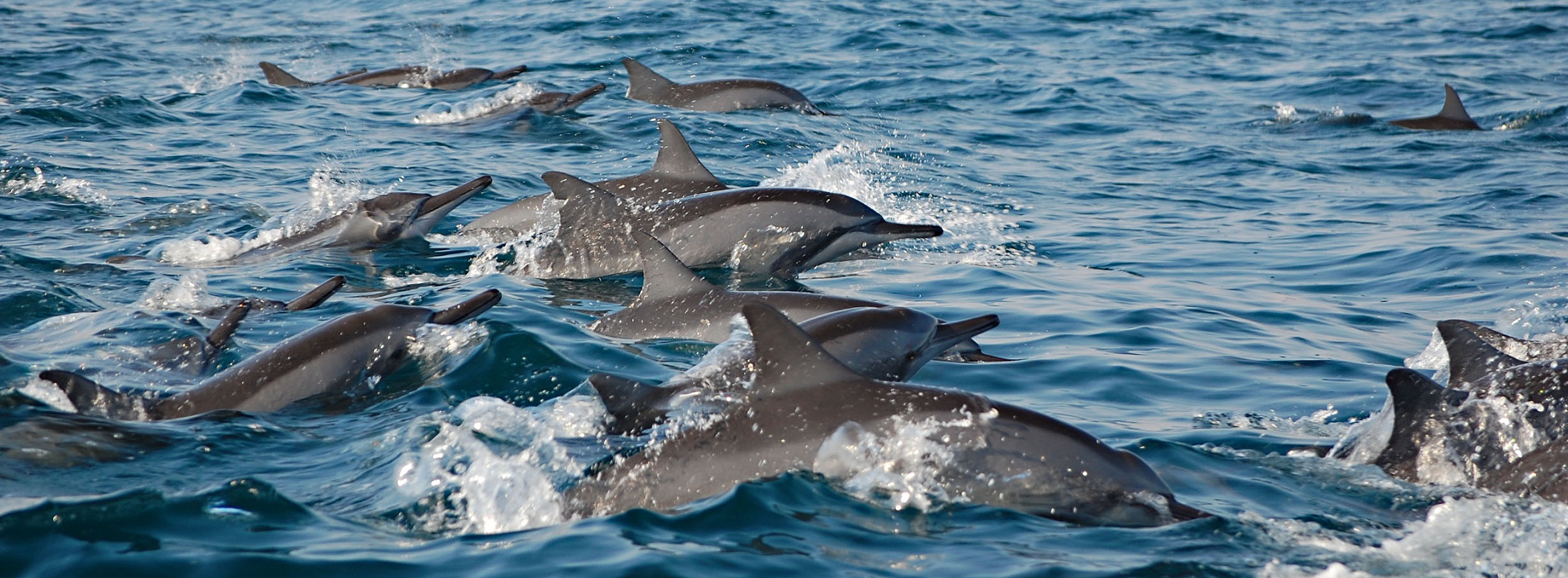
Oman’s coastal waters are haven for dolphins, whales and birds. Close to the coast, coral gardens teem with colorful fishes; protected coves act as crucial breeding grounds for endangered marine turtles; mountains and deserts are home to rare land mammals including wild goats, sand cats, Nubian ibex and Arabian Oryx. If you time your visit carefully, you can witness an enchanting sight: from June to September, the Ras Al Jinz Turtle Reserve is one of the best places in the world to see green turtles nesting, hatching and escaping to the sea. For divers, snorkelers and birdwatchers, the Damaniyat Islands Nature Reserve is a must visit to experience fabulous coral formations and is a breeding ground for gulls, terns, ospreys and sooty falcons. Rare hawksbill turtles also nest in usually large numbers on the quiet beaches. Other significant reserves include the Dhofar lagoons, superb for birds and the Jabal Samhan Nature Reserve in the Dhofar highlands, one of the last remaining habitats for Arabian leopards. Also, Oman’s cool uplands are rich in birdlife, particularly vultures and eagles.
Did you know? The Ras AL Jinz Turtle Reserve protects 120 Km2 of pristine coastal habitat including 45km of beaches and headlands. The green turtles which nest here lay their eggs in clutches of over 100.
Six of the best wild-life watching hotspots:
Best for dolphins- Khasab: Take a dhow cruise through the ruggedly scenic, fjords of northern Musandam where humpback dolphins are commonly seen at play.
Best for turtles- Ras Al Jinz: Visit Sharqiya’s turtle reserve on a summer’s night, and watch in amazement as female turtles haul themselves up the sands to dig their nests.
Best for Whales- Mirbat: This picturesque southern town has a small fort looking out to the sea. If you are on a sailing trip, you may see humpback whales in the waters nearby.
Best for tropical fish- Damaniyat Islands: Dive The Aquarium, as the islands’ best scuba site is known to see flitting fish, dazzling nudibranchs and delicate seahorses.
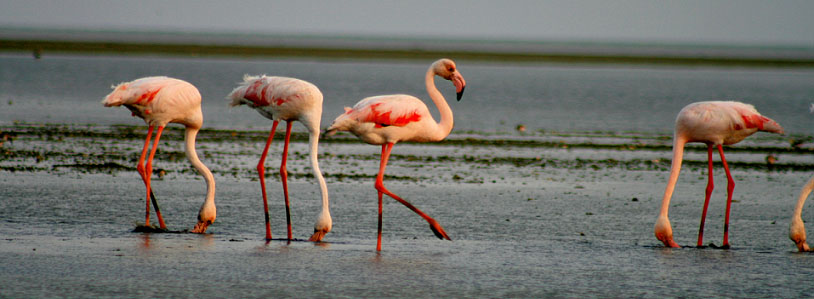
Best for birds- Masirah Island: Well over 300 species including kingfishers, plovers, terns and flamingos have been counted on Masirah’s wetlands and mudflats.
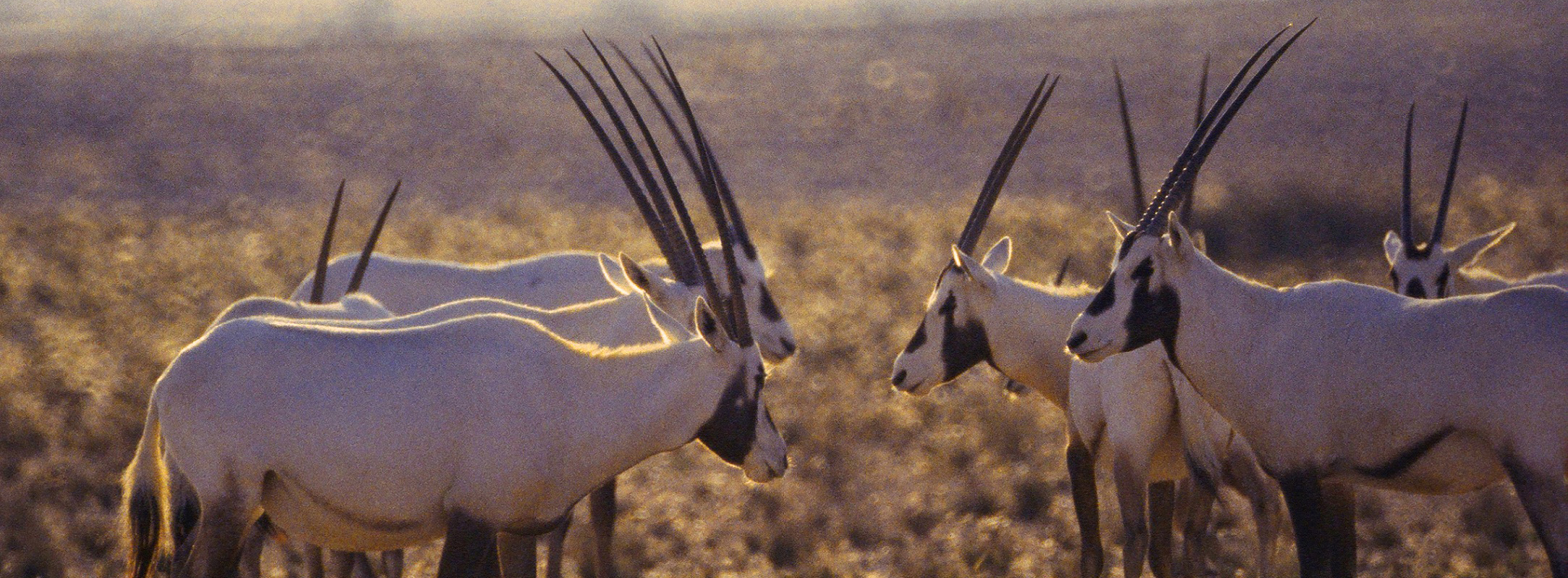
Best for desert mammals- Wusta: This arid region is home to endangered Arabian Oryx, a striking-looking gazelle, plus Nubian ibex, desert foxes, sand cats and caracals.
As part of commitment to responsible and sustainable tourism, Oman takes great care to conserve the superb habitats and geological features which make the country’s landscapes unique. So pack your swimwear, boots and binoculars, and gear up to be amazed.



You might also like

“We are always in pursuit of excellence to deliver the best experience possible.”
Emirates continues to add new routes and destinations, connecting more people with more places. It is our strategy to constantly improve and innovate in order to offer the best travel

Indian Railways launches train with a glass ceiling!
Now, make the best of the scenic view from Visakhapatnam to Araku valley hill station by travelling in this swanky new train. Aiming to provide a delightful travelling experience to

Tourism New Zealand teams up with Thai Airways and Auckland Airport to promote special fares
Partnership aims to increase travellers on the Bangkok – Auckland route from India Mumbai, February 25, 2015: Tourism New Zealand has launched a new joint venturepartnership with Thai Airways and