Foreign tourist inflow to double in three years: K J Alphons
Minister of State (Independent Charge), Tourism, GoI, K J Alphons said today that the government is taking all measures to double the tourists inflow in India in next three years.
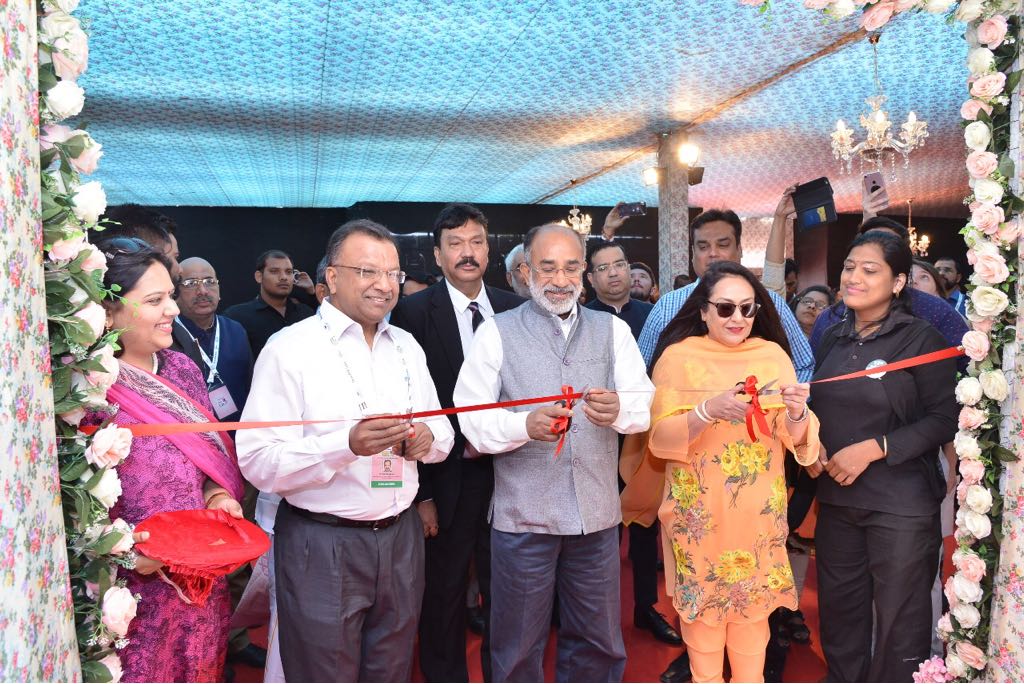
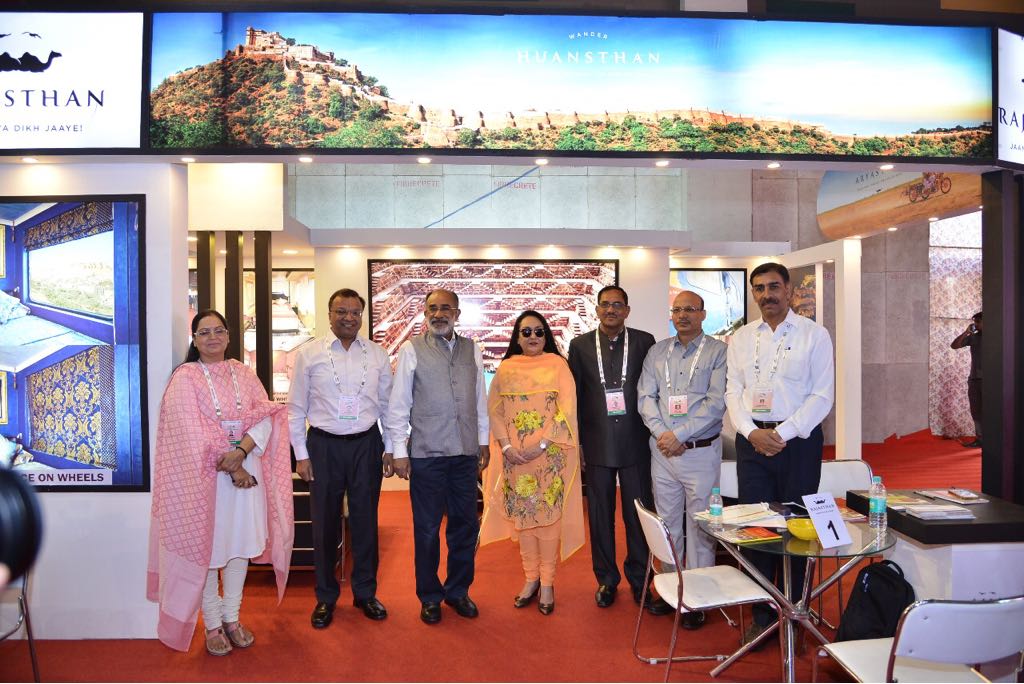
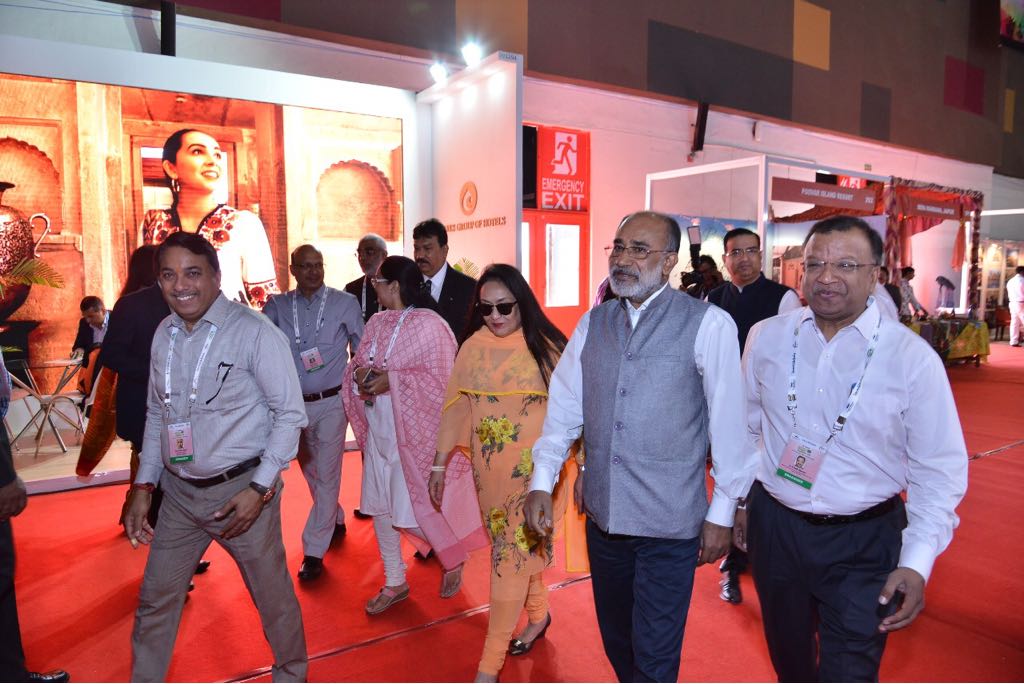
Alphons inaugurated the Exhibition and took a round of the B2B meeting pavilion of The 10th Edition of the Great Indian Travel Bazaar (GITB-2018), organized jointly by the Rajasthan Government and FICCI in Jaipur today. He said that Rajasthan has immense potential for tourism growth.
“Foreign tourist inflow in India last year grew by 15.6 per cent and receipts grew by 20.2 per cent. Our targets are very high and we want to double the tourist inflow and receipts in three years,” he said.
It is possible to achieve the target as India has a lot of potential and a 5,000 year old history, which no other country in the world has, Alphons added. The B2B meetings at the GITB-2018 draw praise from the minister with 10,936 buyers-sellers meetings pre-scheduled in the two-day plan.
Another major development at the GITB-2018 has been the announcement of the extension of the MoU between FICCI and Rajasthan government for organising GITB till 2024, by Chief Minister Vasundhara Raje at the inaugural function yesterday.



You might also like
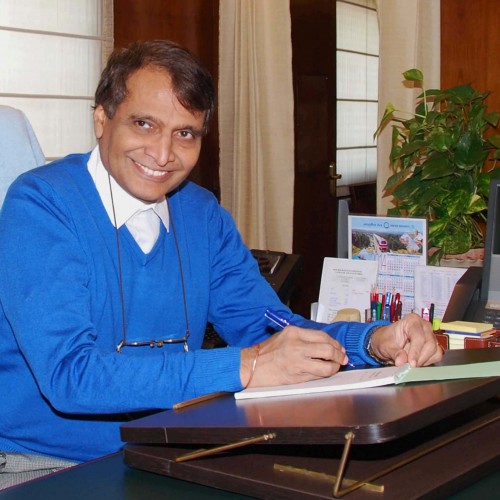
Aviation minister says to review Air India stake sale plan soon
India will soon review a plan to sell a stake in Air India, Civil Aviation Minister Suresh Prabhu said, weeks after the government found no takers for the beleaguered flag
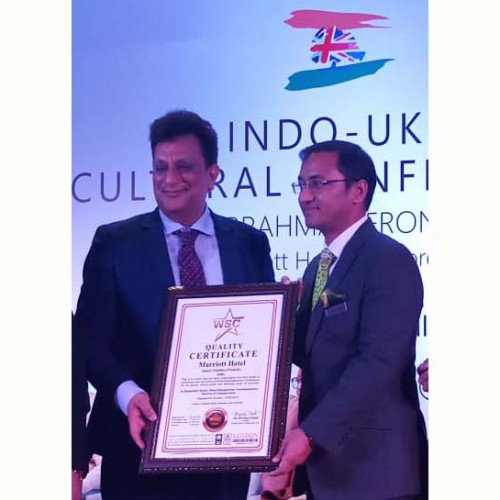
Indore Marriott hotel awarded with ‘Quality Certificate’ by World Book of Records
‘Indore Marriott Hotel’ is committed to giving excellent services and outstanding hospitality to its guests. The hotel has successfully made many accomplishments and won hearts of the people of Indore

Monaco to host 12th Monte-Carlo Jazz Festival
Discover and re-discover the greatest Stars of Jazz between 16th November – 2nd December at “Opera Garnier Monte-Carlo” Every November, the Monte-Carlo Jazz Festival takes spectators on a musical journey through the