
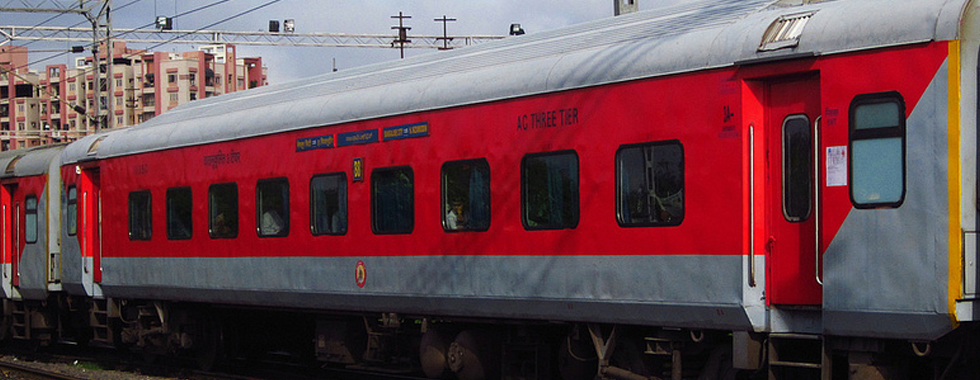
GST effect: AC, first class train fares to go up marginally
With the Goods and Services Tax (GST) coming into effect from July 1, train passengers will have to pay a bit more to travel AC and first class. Service tax on ticket charges is set to be hiked from 4.5 per cent to 5 per cent after the GST implementation.
Service tax is levied only on AC and first class fares in the Railways. So if a ticket costs Rs 2000, then a passenger will have to shell out Rs 2010 from the next month, said a senior railway ministry official.
Gearing up for the GST roll-out from from July 1, the Railways has appointed nodal officer in each state to ensure smooth transition into the new single tax regime. A consultant has been appointed for examining the impact of the GST in the Indian Railways, the official said. Since GST registration is based on PAN details, Railways has already got its PAN.



You might also like

Arunachal Pradesh Unveils New Tourism Policy and Brand Identity to Propel the State as a Premier Global Destination
The Government of Arunachal Pradesh is proud to announce the official launch of its new tourism policy, a strategic initiative aimed at establishing the state as a preferred destination for
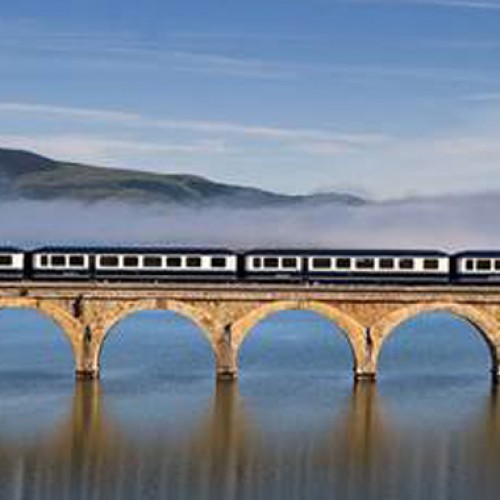
Explore the Greenest Spain aboard El Transcantábrico Luxury Tourist Trains
A unique and unforgettable experience is awaiting for you at ‘El Transcantabrico Luxury Tourist Trains’. A 7-nights all-inclusive trip along the Spanish Cantabric coast while staying in this palace on
Keep profitable Air India subsidiaries out of disinvestment says Nitin Gadkari
The announcement of the induction of SpiceJet’s Boeing737 for “C checks” at the maintenance, repair and overhaul (MRO) facility was made here in the presence of Civil Aviation Minister Ashok