
How Hotels, Private clubs can retain their brand recall among customers in times of COVID-19
By Rajesh Shetty
The impact of the current COVID 19 pandemic on multiple industries is being noticed across the world. In the time of social distancing and home quarantine, travel and hospitality are among the worst impacted sectors! The hospitality industry is highly dependent on tourism which has borne the brunt of the current situation. This has led to multiple cancellations of room bookings, occasion celebration and even general dining, greatly impacting their revenues and raising concerns of possible layoffs post the pandemic crisis.
Private Lifestyle clubs, which offer F&B, activities and event venues, are mostly dependent on members and guests for revenue generation. The current lockdown has impacted not only the footfalls but also the rising cost of maintaining the expensive infrastructure without actual revenues coming in. It has also adversely impacted the members’ lifestyles, who were used to a routine of working out or spending leisure time at the club.
However, once normalcy resumes, club members might want to resume their daily routine and may even do so more enthusiastically than ever. This could primarily be so in case of using the gym and working out, so as to get back in shape and make up for a lost time and also to get back to socialising – one of the greatest deprivation in the lockdown. In order to address this influx, clubs would have to be prepared with the following measures:
The clubs will have to ensure
– the club building and facilities are sanitised and there are clear visual indicators of the same to reassure the members of the safety and reiterate the management’s focus on the members’ health and well-being
– they are ready to service their members like never before as they would be visiting the club after a long hiatus and thus need to have a great experience to keep their loyalty intact
– ensure there is no downtime of any of the facilities as the tolerance levels for the same might be quite low. The members would be raring to use all the facilities available to the same extent as during normalcy or even more
During this downtime, it is also essential to continue to work on brand recall and maintain contact with patrons by sending out e-mailers and through a digital medium with social awareness messages and informing them about the efforts were taken up by the club. This would help brands to a) resume operations on a high note post the hiatus, and b) have adequate prospective sales in the pipeline to be able to weather the losses incurred.
The digital media is a big boon in the current situation, allowing businesses to stay in touch with their current consumers and lure in prospective customers too as most people are currently resorting to digital media for information and entertainment. Those businesses that can effectively use the same would definitely be able to reap its benefits in the near future once we approach normalcy!
As the markets and the economy finally come back to normalcy, hospitality, travel and private clubs will play an essential role in bringing people back together and share the sense of solidarity in these times of collective grief.
The writer is General Manager of The Acres Club and the Fern residency



You might also like
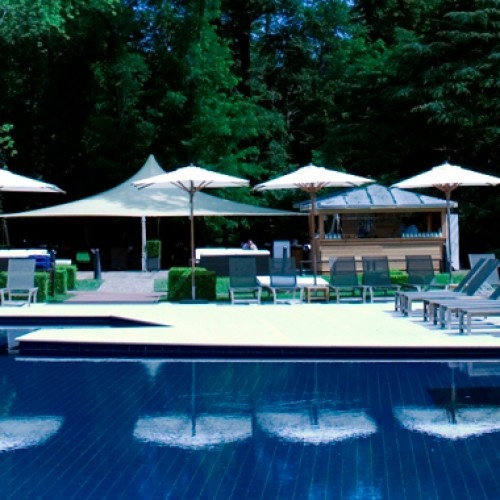
Of Water and Ice – Hotel La Reserve, Geneva
Let’s face it – skiing is not for everyone! Well, it might just be when you’re young, but the older you get, the higher your chances get of acquiring more
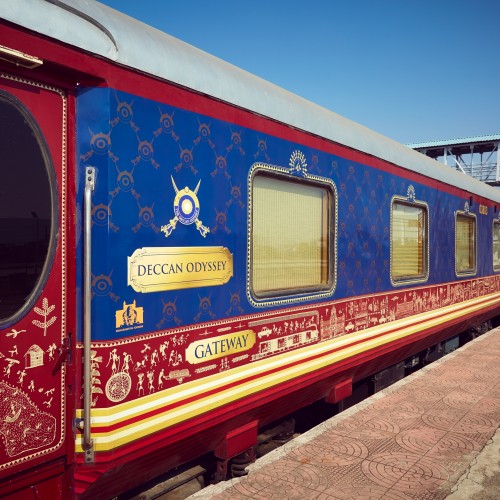
Luxury trains to slash ticket prices by 20%
Luxury trains in the country have long been plagued by poor patronage owing to prohibitive ticket prices. But this could soon change as they are set to be easier on
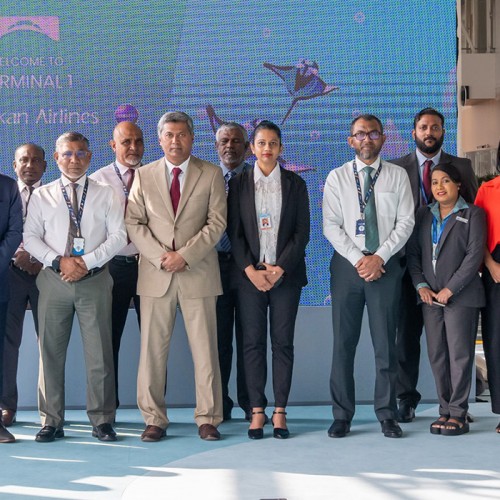
SriLankan Airlines launches operations at Terminal 1, Velana International Airport
SriLankan Airlines officially transitioned its operations to Terminal 1 at Velana International Airport, Malé, effective 17 December 2025. To commemorate the move, Maldives Airports Company Ltd (MACL) hosted a ceremonial