
INDIA LIKELY TO REVERT TO IN-HOUSE VISA APPLICATION PROCESSING ABROAD
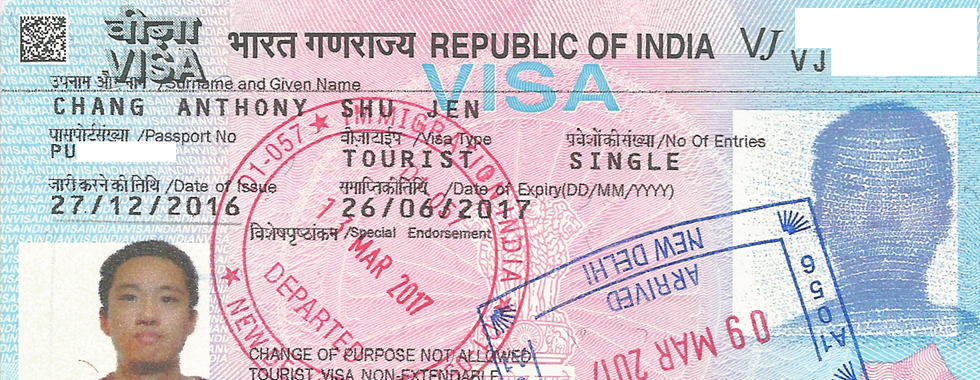
Indian Ministry of External Affairs is rethinking about outsourcing its visa application processing and is likely to return to its old practice of processing visa applications in-house by its embassies and consulates. Poor quality of visa application processing by some nonprofessional service providers and an increasing number of complaints from visa applicants may be prompting this shift.
Indian Ministry of External Affairs (MEA) is considering to revert to its earlier practice of inhouse visa processing by Indian embassies and consulates, according to sources. If the Ministry decides to implement this policy change, the Indian consular services (including the Visa application process for foreign travellers to India) in all countries would be in-sourced again which means that visa applications would be handled completely by Indian consulates and embassies themselves in their respective countries.
We spoke to an official in the Ministry of External Affairs, who declined to confirm or deny the proposal, saying that he is not authorized to speak to the Media on the issue. He added that as of now no such decision has been formalized. However, it cannot be ruled out in the near future.
The MEA had outsourced its visa application processing in 2007, and since then it has been using the outsourced model in about 35 countries. One of the key reasons behind this possible change appears to be the challenges the Ministry has faced in terms of awarding contracts for visa services. Besides, the Ministry is also not satisfied with the quality of visa processing services of some of these lowest-priced service providers, and the increasing number of complaints from visa applicants. These lowest -priced service providers got selected for the Ministry’s visa application processing because the lowest price bid (L-1) is the key selection criteria. Litigation issues could also be playing a part in the reconsideration. The MEA over the past few years has also been bogged down in litigation matters relating to awarding of some contracts. Other possible reason behind the rethink could be the successful expansion of the e-visa facility that India currently offers in 161 countries. Since it was first launched in 2014, the e-visa facility has been recording double digit growth rates. Today, e-visas account for approximately 12 % of total visas issued by India. However, even today most of the visas issued by the MEA are the physical visas stamped in passports, and the number of such visas is bound to decrease further.
If Indian Foreign Ministry recalls its outsourced visa application processing, the business of some of the external service providers who rely predominantly on Indian visa business (for inbound travellers) will be seriously impacted. India currently uses about 9 external service providers for managing the visa application process in about 35 countries. Cox & Kings, BLS International and IVS are some of the visa service providers whose revenues could fall significantly if the Indian government does implement the in-sourcing policy because of their reliance on such business.



You might also like

Sands China Ltd. Wins ‘New Hotel Construction & Design’ China Category at Asia Pacific Property Awards for The Parisian Macao
Sands China Ltd. has won the ‘New Hotel Construction & Design’ title in the China category for its newest integrated resort The Parisian Macao at the prestigious 2017 Asia Pacific
Blue Square Consultants to represent Australia & Beyond Holidays in India
Blue Square Consultants are delighted to advise that they have been appointed as the sales and marketing representative for Australia & Beyond Holidays. Australia & Beyond Holidays was established by Simon

Air India waives ticket cancellation charges for Male flights
Air India today said it is waiving ticket cancellation and other charges for passengers booked on flights to and from Male till February 20, in view of the prevailing situation