
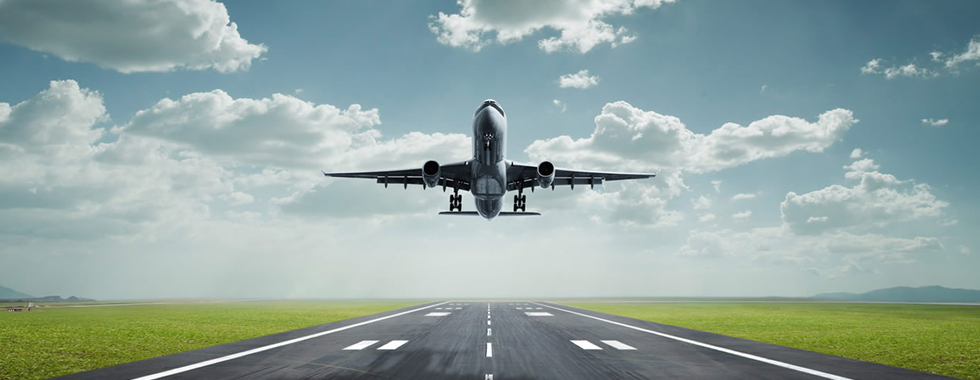
Passengers denied boarding in India doubled in one year: Aviation watchdog
The number of passengers denied boarding by Indian airlines doubled in the past one year, according to the government’s air traffic data. However, the procedure laid down by the country’s aviation watchdog ensures that people are unlikely to be bumped off like David Dao, a passenger on a United Airlines flight, who was dragged from his seat because of overbooking, according to the carrier’s initial claims.
A total of 18,242 passengers were not allowed to board aircraft between April 2016 and February 2017. This is up from 10,561 passengers not allowed onboard aircraft during the same time period in the preceding year. As per data for 2016-2017, more than 80% of passengers affected were those who flew Jet Airways and 14% were Air India fliers, according to the air traffic data.
“A passenger could be denied boarding primarily for three reasons. If he/she turned up late at either the check-in counter or the boarding gate, for security reasons and due to overbooking of a flight,” former Director General of Civil Aviation Kanu Gohain said.
While most airlines officially maintain that they don’t overbook their flights, industry insiders admit that selling “5-10 per cent” seats over and above the actual seating capacity of an aircraft is a norm across the world as they don’t want planes to take off with empty seats in case of no- shows.
“Optimal inventory allocation is broadly governed by two factors–accurately forecasting passenger demand and maximising revenue by accounting for cancellations and no- shows,” explained an Air India official who oversees revenue management at the airline. The Directorate General of Civil Aviation (DGCA), too, approves the practice.
“To reduce the possibility of a flight departing with empty seats, airlines generally overbook flights to a limited extent. In case of overbooking, an airline may deny boarding to you even if you hold a confirmed booking for travel on the flight and reported for the flight well within the specified time,” according to information on DGCA’s website. The DGCA, in its Civil Aviation Requirements (CAR), lays down a two-step procedure that airlines must follow in such circumstances.



You might also like
Lion Air signs GDS agreement with Sabre to fuel its growth strategy
Sabre adds highly-valued content from leading low-cost carrier in Asia to its global marketplace Sabre Corporation announced a new content distribution agreement with Lion Air, the largest privately-owned airline in Indonesia,
Sabre launches industry-first pricing technology
Etihad Airways and Aegean Airlines to achieve pricing optimization with the implementation of Sabre AirVision Dynamic Availability and Sabre AirVision Fares Optimizer At the Aviation Festival in London, Sabre Corporation launched Sabre AirVision Dynamic

Jordan to host 8th International Conference of the Royal Medical Services
Under the patronage of His Majesty King Abdullah II Ibn Al-Hussein, the 8th International Conference of the Royal Medical Services is to be held at the King Hussein Bin Talal