
Air India to increase frequency of Delhi-Tel Aviv flight
Air India’s direct thrice a week flight service to Israel began this year on March 22, twenty-five years after India and Israel established diplomatic relations.
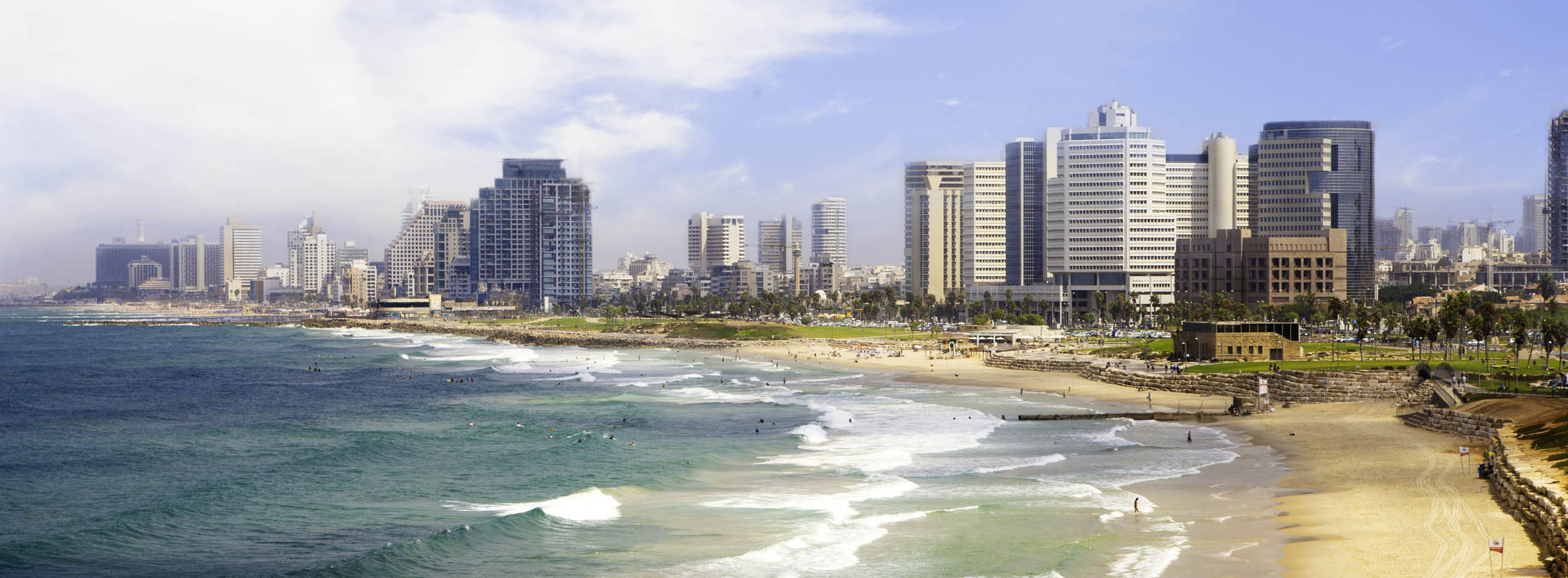
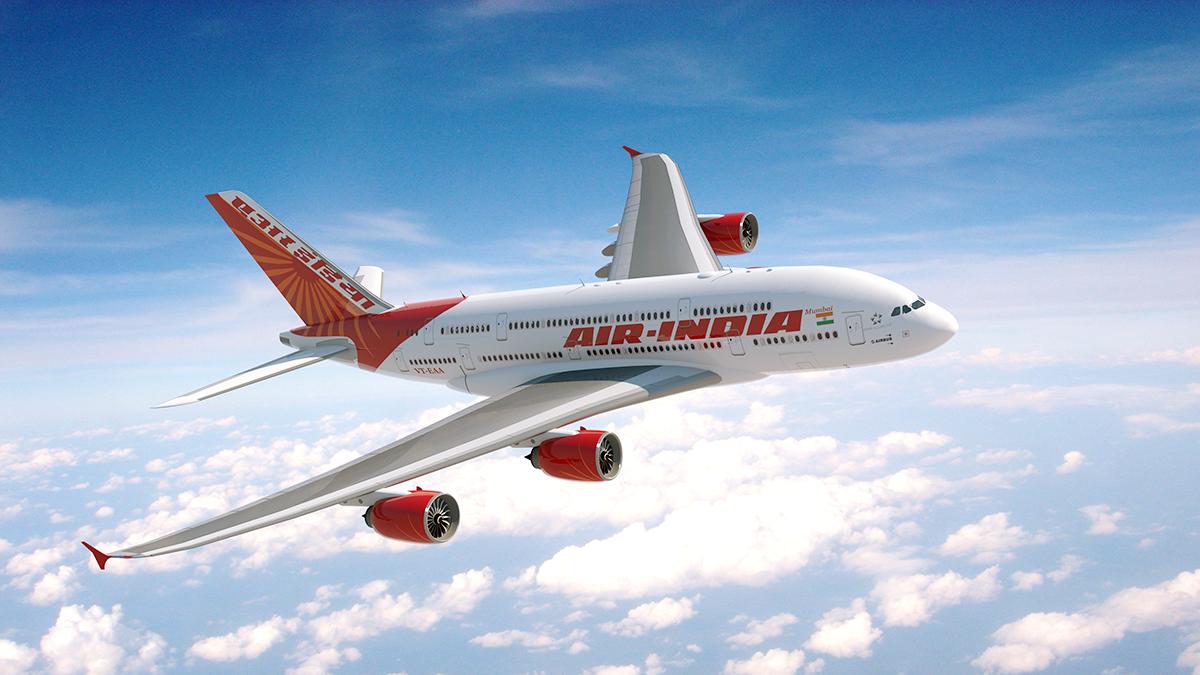
Air India is set to increase the frequency of its Delhi-Tel Aviv non-stop flight from thrice a week to daily. Air India’s direct thrice a week flight service to Israel began this year on March 22, twenty-five years after India and Israel established diplomatic relations. According to a PTI report, the national carrier gave its approval to the proposal after it registered over 80 per cent occupancy rate on the newly-launched route.
“The success of the service is a testament to the strengthening of diplomatic ties between India and Israel and growing people to people contact between the two countries. We are working on the last minute details before announcing the increase in frequency to all days from thrice a week,” the agency quoted an official as saying.
After a failed privatisation attempt, state-run Air India has introduced multiple changes to maximise its market share in country’s ever growing and competitive aviation industry. The airline recently revamped first class and business class cabins in its fleet of Boeing aircraft flying to international destinations. The move is aimed at attracting high-end travellers and increasing the occupancy from 60 per cent to over 80 per cent.
The revamped premium class has been christened as “MaharajahDirect” and the airline is expecting to boost its revenue to Rs 6.5 crore per day from the existing Rs 4 crore it nets from these premium classes. At present, Air India has 17 per cent market share on international routes. It has over 2,500 international prime-time slots per week, spread across 43 overseas destinations.
“The important revenue stream for any airline is the business class and the first class. Therefore, revamping the Air India business class is an attempt by the airline to be on par with the business class of any airline worldwide,” Civil Aviation Secretary R N Choubey said at the unveiling of MaharajahDirect.
Apart from this, Air India also introduced a new food menu and amenities for passengers, and uniforms for its airline staff. The airline in a statement said that the passengers travelling in the upgraded premium class will get a feel of the new ambience and provided with better upholstery, better nightwear, woolen blankets and travel kits. The cabin crew will sport a new uniform — a mix of traditional and western attire. The passengers will also be treated to delicious gourmet food and region specific beverages — both alcoholic and non-alcoholic.
The makeover came days after the government decided not to go ahead with Air India stake sale after it failed to draw any bidder. The government wanted to offload 76 per cent equity share capital of the national carrier as well as transfer the management control to private players. Air India has been losing domestic market share to lower-cost operators such as IndiGo and SpiceJet.



You might also like
Jordan Tourism Board kicks off 2016 with the ETAA Mega Meet
SATTE 2016 began on a high note for the Jordan tourism Board as it partnered with the Enterprising Travel Agent’s Association, (ETAA a professional association representing the retail tour operator

Travelport and OYO announce new hotel content deal
Travelport-connected travel agencies will benefit from up to 6,000 additional hotel properties in India Travelport a leading travel commerce platform, and OYO, India’s largest network of hotels, have today announced
GAEHP Launches Uttar Pradesh Chapter in Varanasi, Names D.N. Singh as Chairman
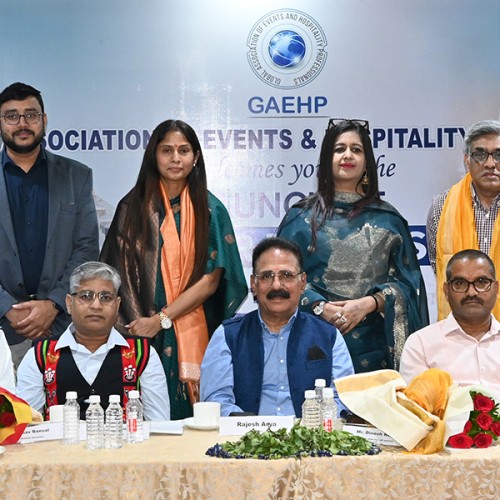
The Global Association of Events & Hospitality Professionals (GAEHP) has formally launched its Uttar Pradesh Chapter in Varanasi, opening a new platform for closer collaboration among travel, tourism, events and