Las Vegas breaks visitor records in 2016
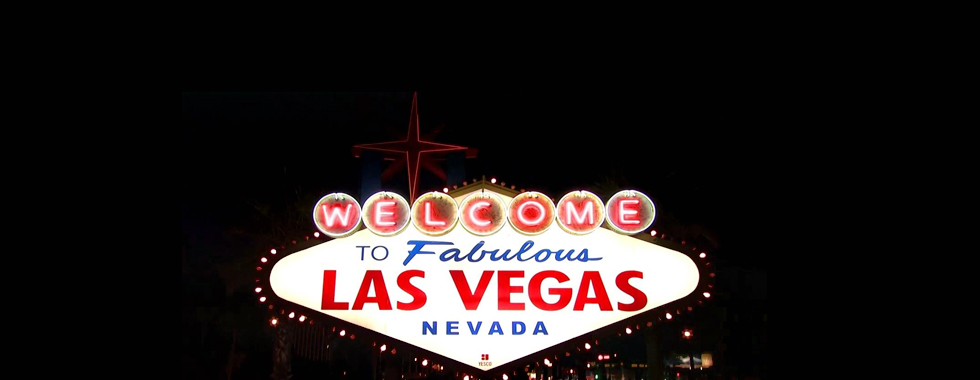
For the third consecutive year, Las Vegas continued historic visitation growth, setting a new all-time record.
The city welcomed 42.9 million visitors in 2016, surpassing 2015’s record-setting 42.3 million. “Las Vegas continues to see increased interest in the destination, and we are excited to announce that once again we are celebrating record visitation,” said Rossi Ralenkotter, president of the Las Vegas Convention & Visitors Authority.
“Together with our resort partners, we look forward to aggressively marketing the destination around the world to continue attracting more visitors and break the record again this year.”
In addition to hosting millions of leisure travellers, Las Vegas celebrated record-breaking convention visitation in 2016. The destination welcomed more than 6.3 million business travellers during the year, contributing to the overall increase in visitor traffic. The destination continues to enjoy industry-leading occupancy rates with an extremely large base of nearly 150,000 available rooms.
Tourism generates nearly $52 billion annually in Southern Nevada and the Las Vegas valley. The industry supports nearly 370,000 local jobs, representing more than 40 per cent of employment within Clark County. In 2017, the LVCVA is projecting another record, surpassing 43 million visitors for the first time.
News Source: http://www.breakingtravelnews.com/



You might also like
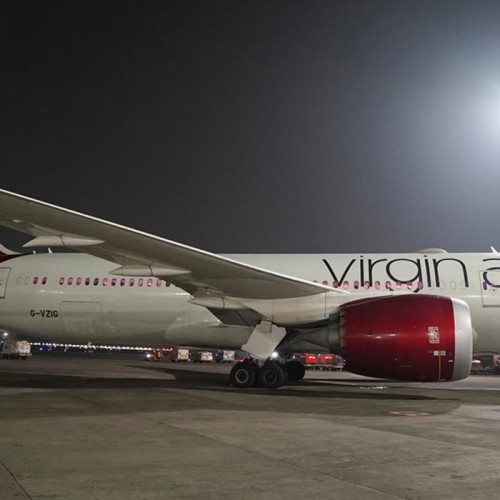
VIRGIN ATLANTIC TAKES OFF WITH SECOND DAILY FLIGHT FROM LONDON HEATHROW TO MUMBAI
Virgin Atlantic’s second daily direct service from London Heathrow to Mumbai launched on 27th October 2024. Virgin Atlantic now operates five daily flights to India, serving Mumbai, Delhi, and Bengaluru.

VIETNAM AIRLINES BEGINS DIRECT FLIGHTS FROM BENGALURU, STRENGTHENING INDIA-VIETNAM CONNECTIVITY FROM SOUTH INDIA
Vietnam Airlines, the national carrier of Vietnam, operated its inaugural direct flight from Bengaluru, the Silicon Valley of India, to Hanoi today. The airline will operate four weekly flights from
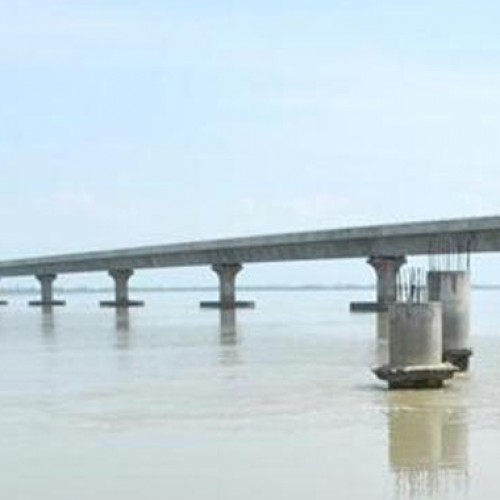
PM Modi inaugurates Dhola-Sadiya Link, India’s Longest Bridge at 9.15 km
Prime Minister Narendra Modi kickstarted the celebrations of his government’s third anniversary celebrations on Friday with the inauguration of the country’s longest bridge in Assam. After inaugurating the 9.15-km Dhola-Sadiya